Judul : Style Edit: Tommy Hilfiger reflects on 40 years, from Hong Kong factories to Formula One
link : Style Edit: Tommy Hilfiger reflects on 40 years, from Hong Kong factories to Formula One
Style Edit: Tommy Hilfiger reflects on 40 years, from Hong Kong factories to Formula One
The American designer discusses his brand's global success, its 'classic with a twist' aesthetic, and a lifelong passion for motorsportsFour decades ago American designer Tommy Hilfiger travelled to Hong Kong, which back then was a hub for garment manufacturing, to start what would become one of the most successful brands in the world.
A long-time music fan, Hilfiger was one of the first designers to harness the power of entertainment and celebrities. The brand was dressing performers and athletes long before it was a common practice among fashion companies.
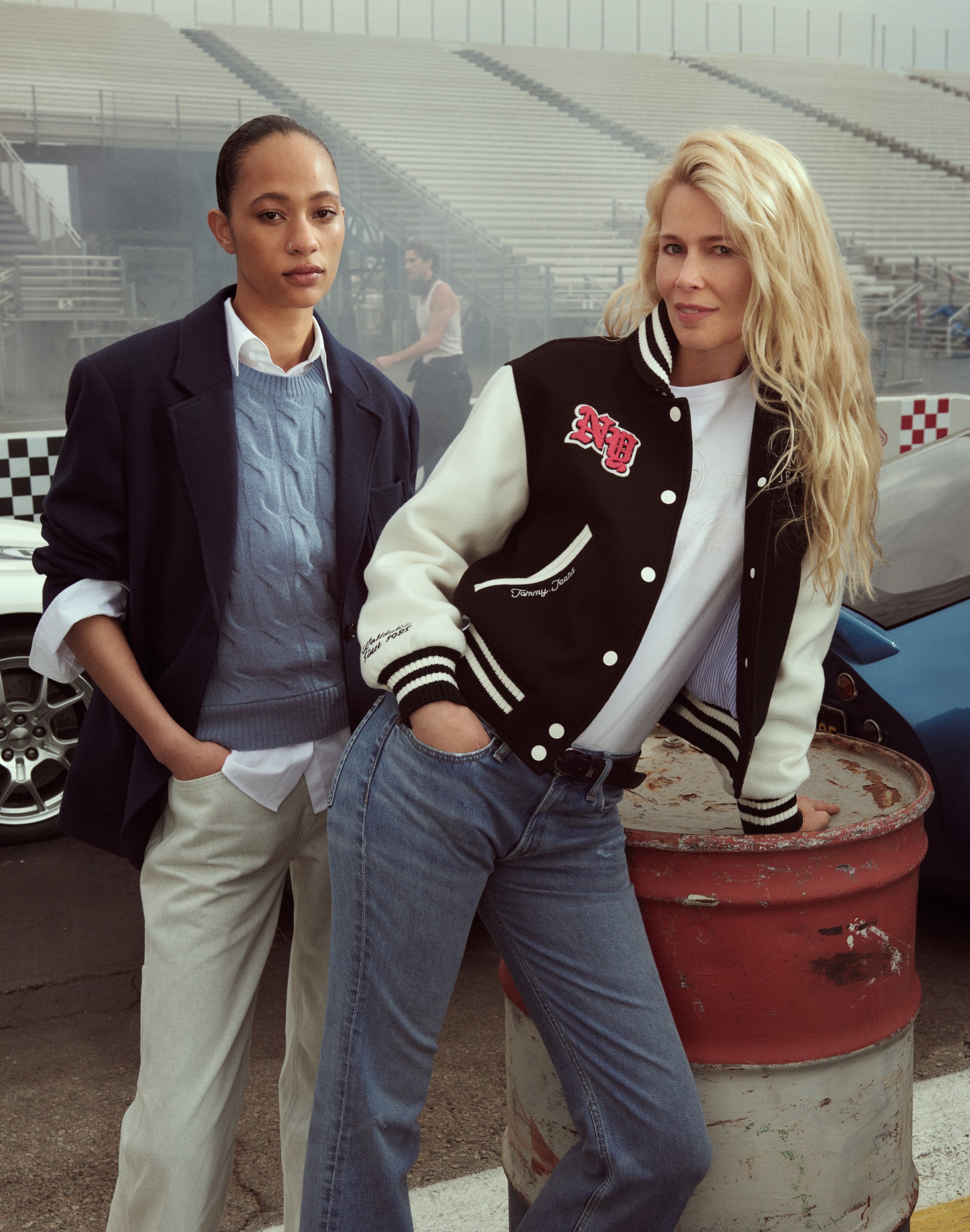
His clothes - embraced by the hip-hop community and entertainers from day one - have always been part of popular culture as much as people's wardrobes.
Do you have questions about the biggest topics and trends from around the world? Get the answers with SCMP Knowledge, our new platform of curated content with explainers, FAQs, analyses and infographics brought to you by our award-winning team.
Hilfiger's modern take on American sportswear and his "classic with a twist" aesthetic have made the brand a household name not just in his home country but around the world.
In a recent interview in New York, the designer talked about his remarkable career and his achievements in fashion and beyond.
Is there anything that makes you really proud looking back at the last 40 years?
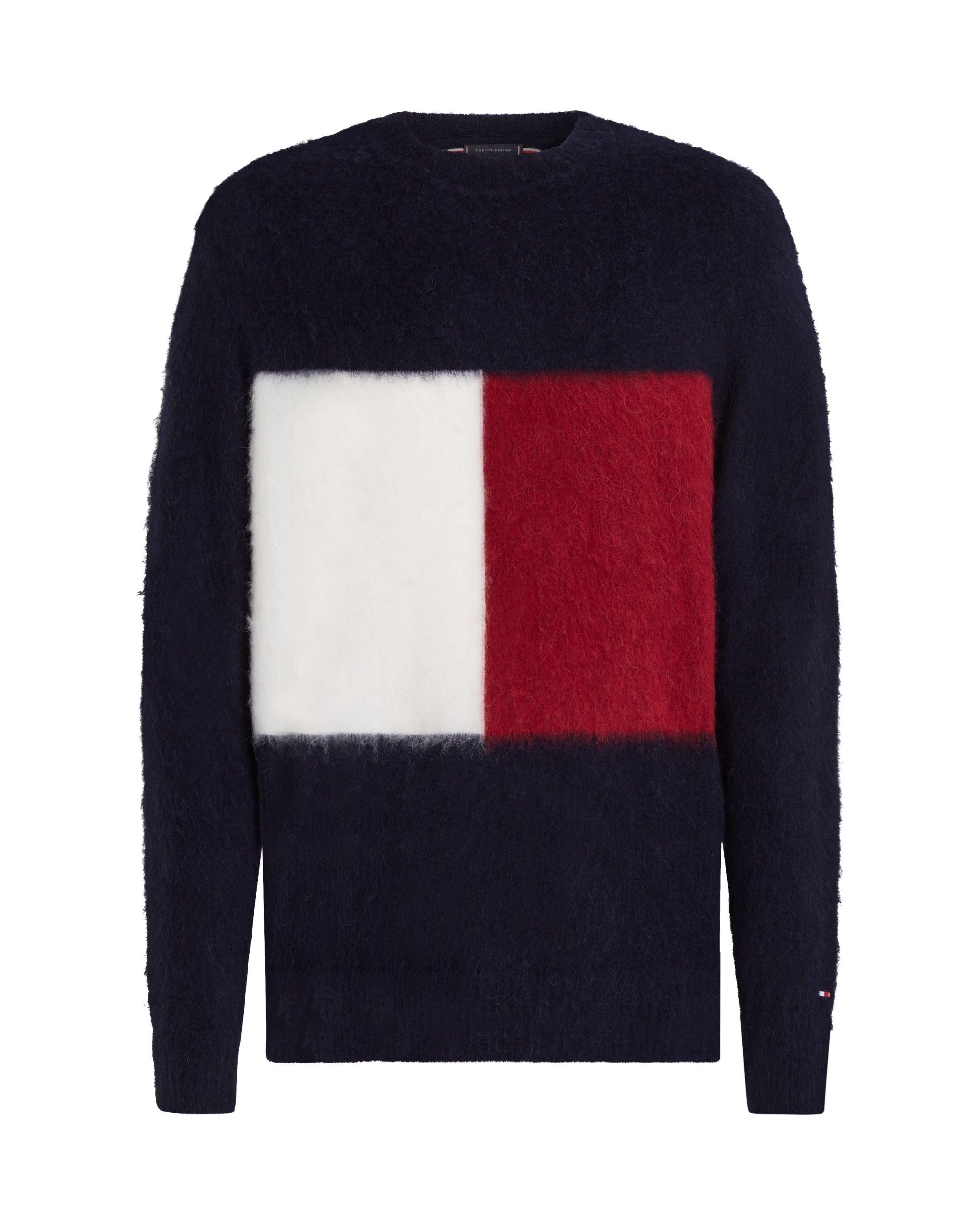
I'm proud of our flag [logo] because it's the best asset. When I developed it in the very early 80s, and then launched it in 1985, I was praying and thinking that someday, I wanted everyone to look at this flag and know what it is. So it's taken years, but it's really known worldwide. I'm very proud of that. In addition, I think that being able to stay in business and continue to grow after 40 years - it's not completely unusual, but it was a dream come true and not easy.
What has been the secret formula to your success, even at a time when the luxury industry is going through some major issues?
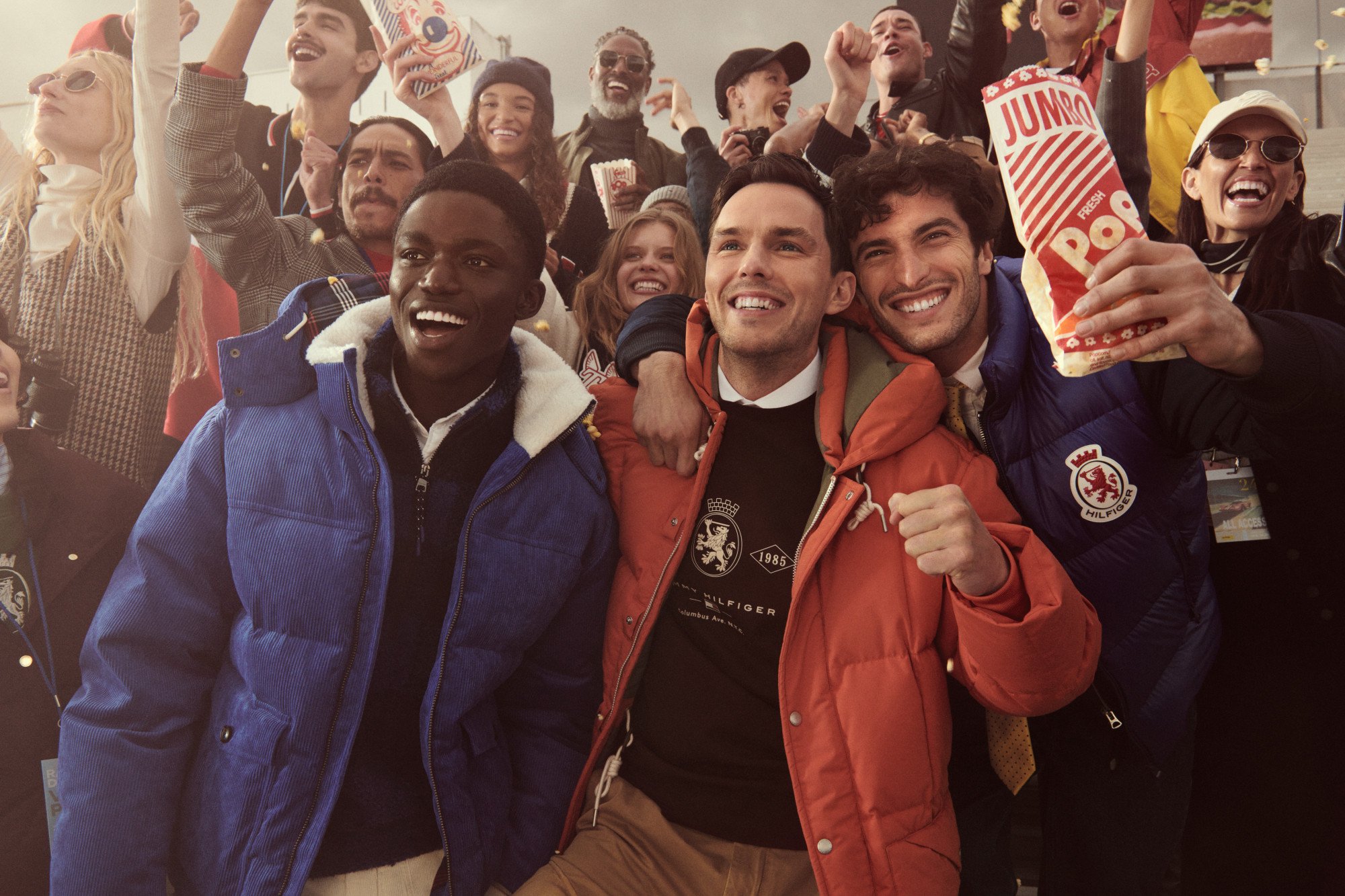
Affordable, accessible, wearable, stylish - and the brand is relevant. I think that when the economy shifts and people are not buying as much luxury, they still want designer brands. They still want quality. They still want style. And this is what we stand for. We've never changed that in 40 years. We've never one day said, "We're going to go cheaper, more expensive." We've always [stood for] affordable luxury.
Tell me about your founding principle, the idea of "classic with a twist".
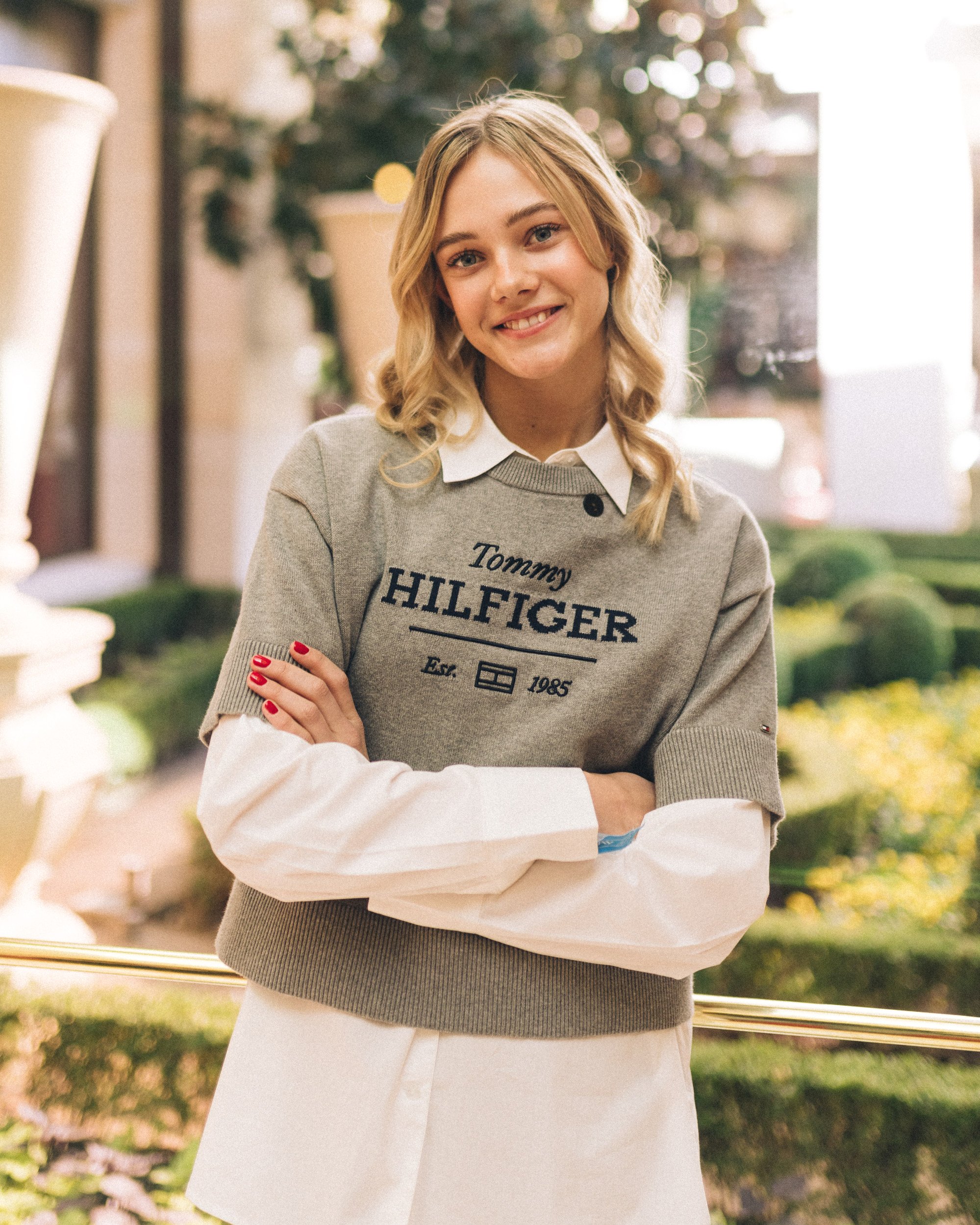
It was the founding principle from day one. I wanted little surprises and to add details that were part of the brand code and DNA. I never wanted to have basic basics without any kind of a twist. And I still fight with people about that. I always want that twist.
Tommy Hilfiger is also one of the few American brands with a truly global business.
We launched in Europe in 1996 and then we went to Asia. Our global expansion was very intentional. We had a partner, Lawrence Stroll, who previously had the Ralph Lauren licence for Europe. When he came to Tommy as a partner, he said, "We have to go to Europe because Europeans love Americana." And our business in Europe today is better than the bigger business [in the US].
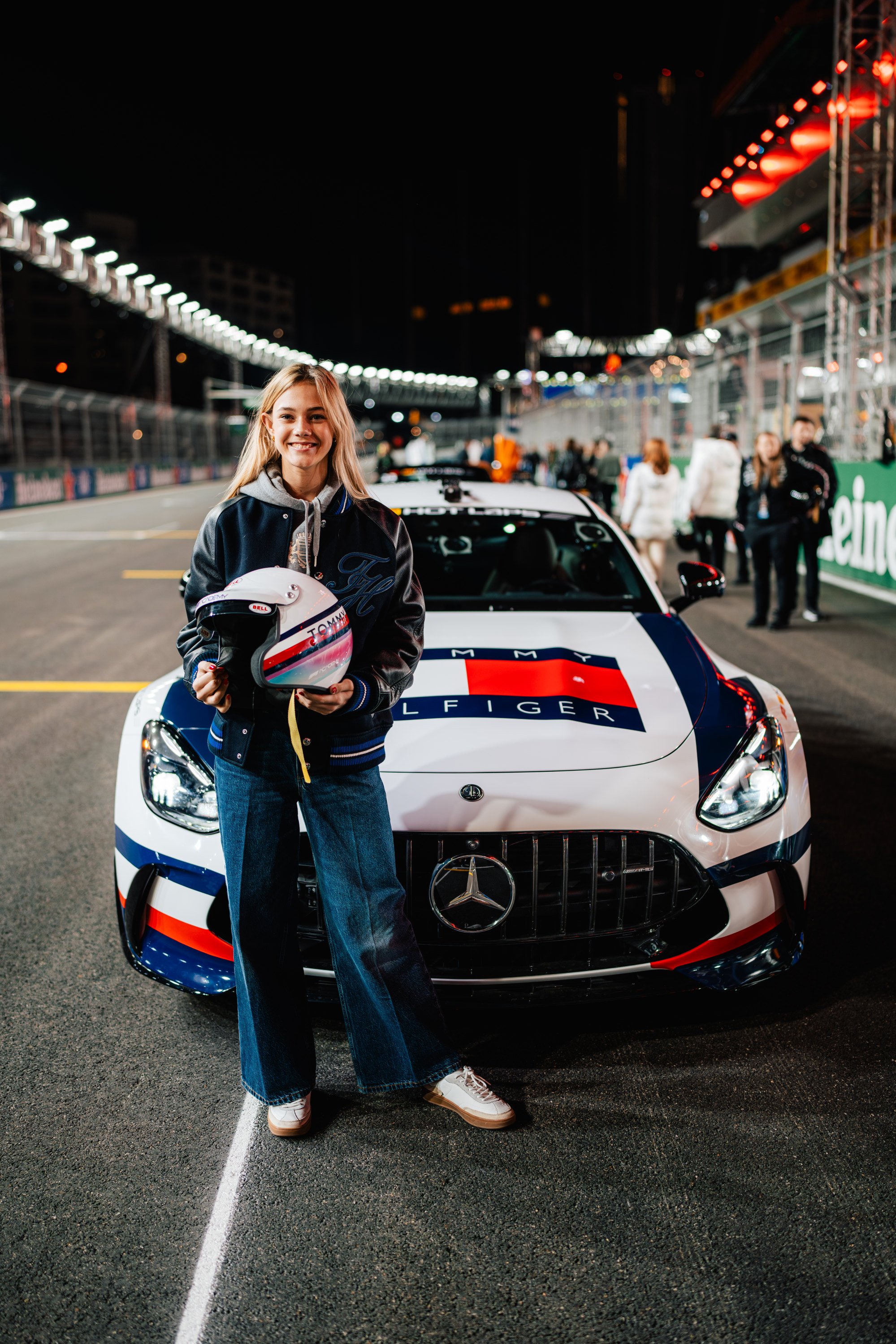
Tell me about your love for car racing, which you recently celebrated with the Racing Club campaign and also the F1 movie.
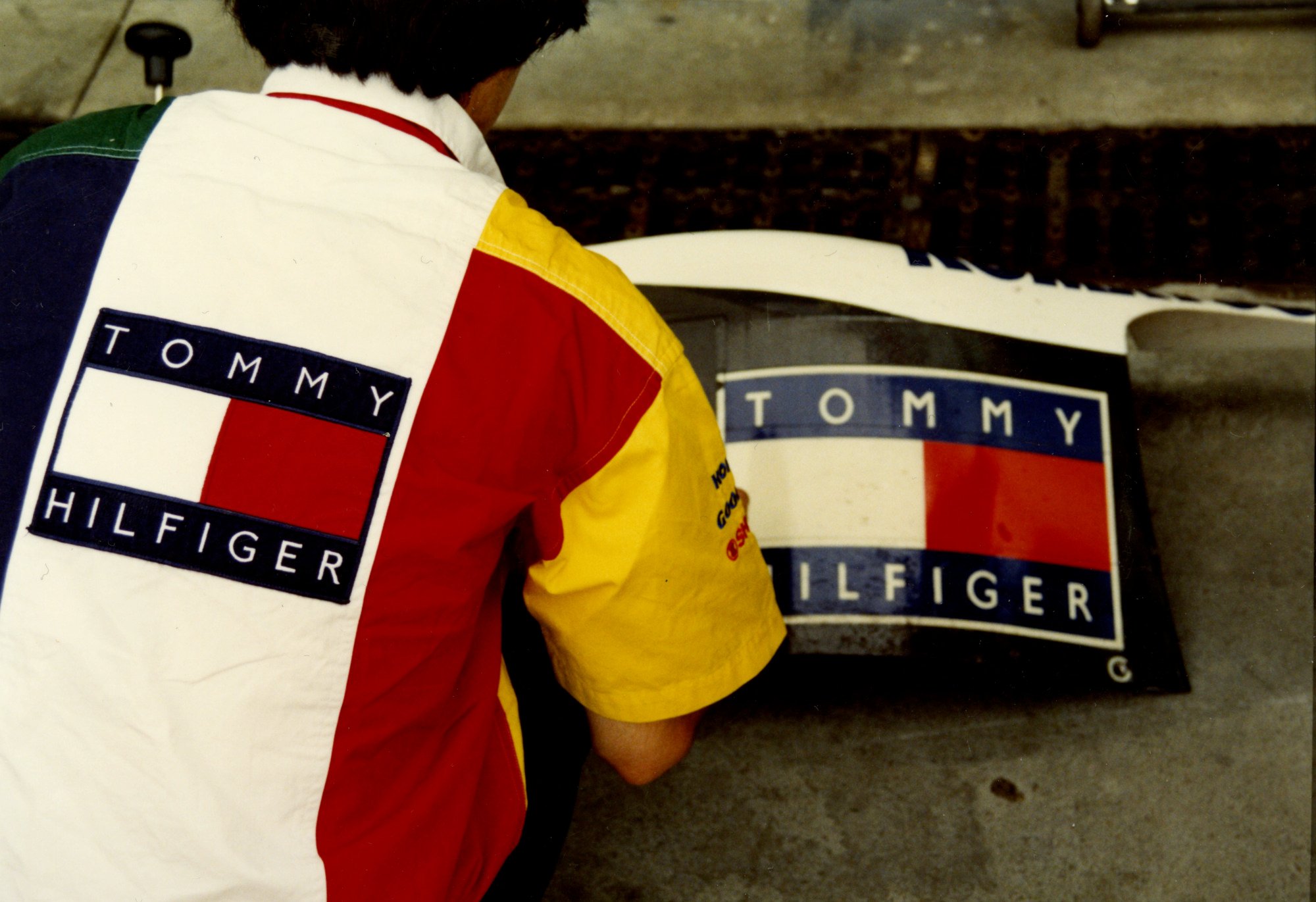
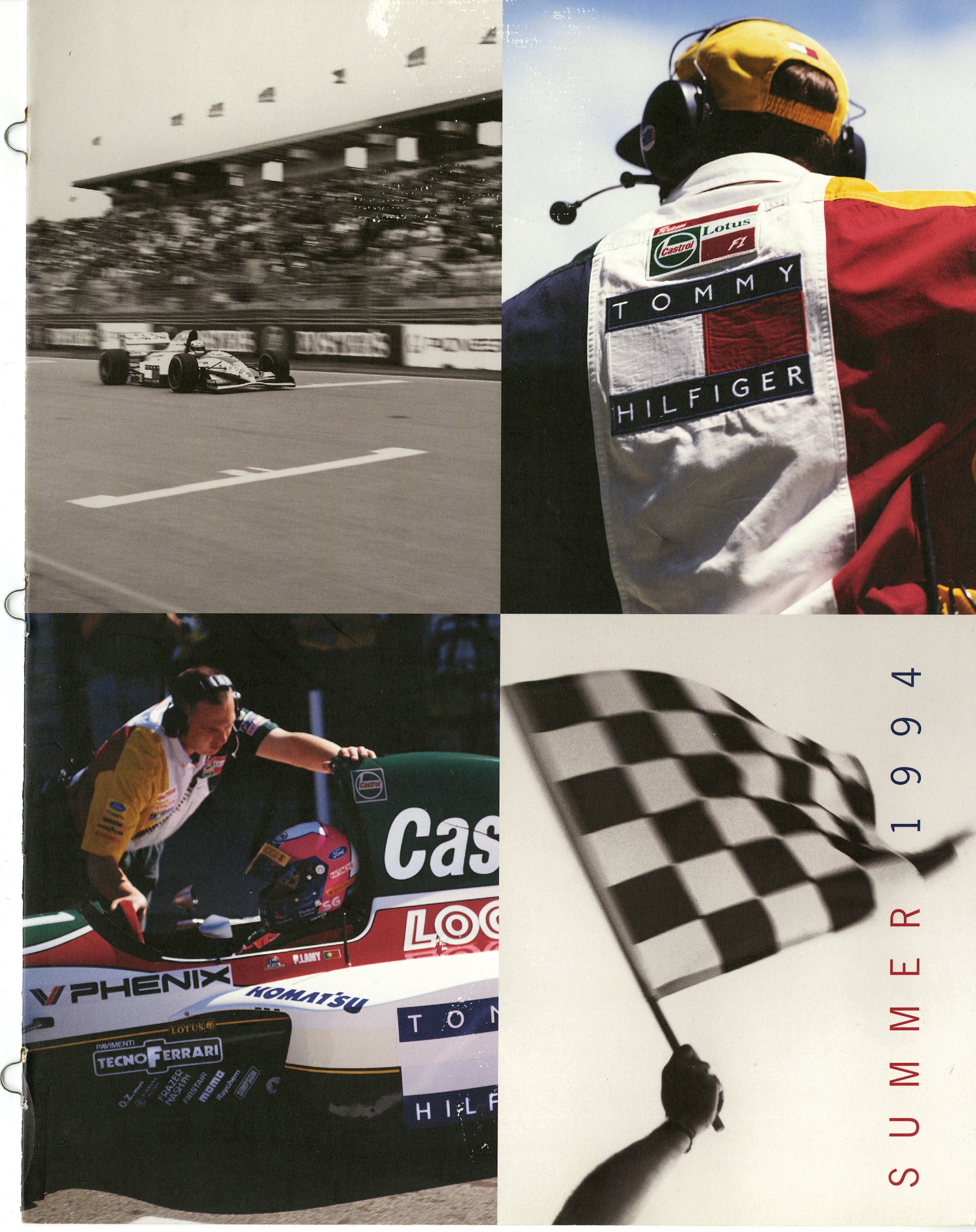
When I was a young boy growing up in Elmira, New York, a half-hour drive away was the Watkins Glen Grand Prix racetrack, where they used to have Formula One races. My friends and I would go to watch the races, look over the fence. We would sneak into the race and go into the garages and the pits. And it was so thrilling and exciting. I always loved motorsports and cars. It was an exciting opportunity to be close to these cars that were so unique, because they were so fast. And they were designed so well. And the uniforms of the drivers were cool. It was the smell of gasoline, the noise. Later we had the opportunity to partner with Team Lotus, Ferrari, Mercedes-Benz and Lewis Hamilton. Now we are partnering with Cadillac, the first American Formula One team ever, launching in 2026.
What about the Racing Club campaign?
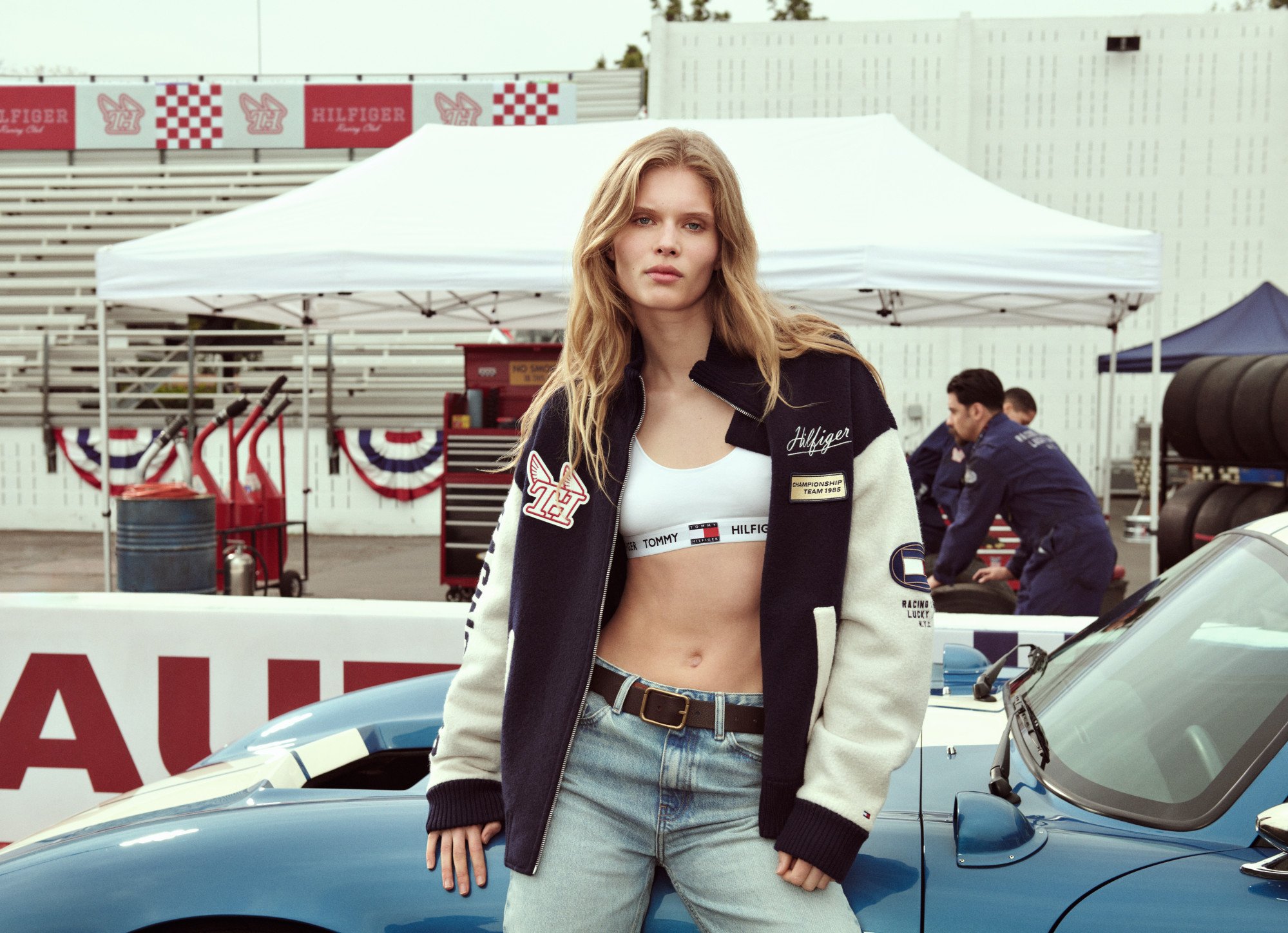
We wanted it to look as authentic as possible. Those vintage cars are very special cars. We went to a real racetrack. One day, I would like to do a campaign in Monaco, at the Grand Prix, with the real F1 cars. I don't know if we can, because you need permits and all sorts of things. But that would be my dream - to do it with real Formula One cars.
Can you share a memory about your early days developing the brand in Asia?
I started the Tommy Hilfiger brand in Hong Kong. We were actually using Hong Kong factories and Hong Kong fabrics. And then we went into China. [Billionaire tycoon] Silas Chou became my partner in 1988. I used to go there for weeks at a time developing the clothes. I would actually work in the factories, sketching the clothes and seeing them being sewn and made right away. I learned a lot about manufacturing. I spent a lot of time in Hong Kong. It was like my second home. So it's a very special connection.
What do you make of developments like AI in such a tactile industry as fashion?
I think you cannot fight it. I think you have to find a way [to make it] work with us. People have to at least prompt the AI. They'll have to tell it what to do. Like, make me a breathable, waterproof down jacket in pumpkin orange with silver snaps.
Finally, what kind of advice would you give to a young designer or entrepreneur trying to make it in fashion?
You have to pick a lane. You have to choose where you want to spend your time and money. Do you want to just do dresses? Or do you want to just do denim? Do something, one category, and do it really well. And once that happens, you could add to it. But if you're making a whole collection of a lot of stuff, you're going to have many different inventory issues, manufacturing issues, fit issues. Just be really great at one thing first. You have to always stay connected to your brand codes and your DNA. So people could close their eyes and picture [the brand]. Otherwise, it could be anything.
More Articles from SCMP
LCMS, HKIS enter new war of words over value of school’s properties
Carney walks fine line between Washington and Beijing as Ottawa weighs removing EV tariffs
Chinese airlines oppose US flight plan, Nets ditch China’s Zeng: SCMP daily highlights
Tickets for K-pop’s MAMA Awards in Hong Kong go on sale as nominees revealed
This article originally appeared on the South China Morning Post (www.scmp.com), the leading news media reporting on China and Asia.
Copyright (c) 2025. South China Morning Post Publishers Ltd. All rights reserved.
Thus the article Style Edit: Tommy Hilfiger reflects on 40 years, from Hong Kong factories to Formula One
You are now reading the article Style Edit: Tommy Hilfiger reflects on 40 years, from Hong Kong factories to Formula One with the link addresshttps://www.angkaraja.cfd/2025/10/style-edit-tommy-hilfiger-reflects-on.html
0 Response to "Style Edit: Tommy Hilfiger reflects on 40 years, from Hong Kong factories to Formula One"
Post a Comment