Judul : Wei Koh’s Man of the Hour explores the lives of watchmakers, from MB&F to Greubel Forsey
link : Wei Koh’s Man of the Hour explores the lives of watchmakers, from MB&F to Greubel Forsey
Wei Koh’s Man of the Hour explores the lives of watchmakers, from MB&F to Greubel Forsey
The Revolution magazine founder hosts the documentary series about the inspiring, often enigmatic characters behind independent watch brandsWei Koh has spent much of his career championing watchmaking through words. Now, he is taking his storytelling to the screen. The founder of Revolution magazine - one of the world's leading authorities on horology - has created Man of the Hour, an eight-part documentary series produced by Refinery Media for Discovery. The show travels from Los Angeles to Geneva, Paris and Singapore, tracing the human stories behind some of the world's most extraordinary timepieces.
"For many years, I was just hoping someone would make a TV series on the watch industry," Koh says. "I never thought it would be me. And then somehow I just ended up stumbling into this role. It's been quite the journey."

In Man of the Hour, Koh steps into the roles of host and executive producer, exploring not just the technical brilliance of watchmaking but the emotional and creative lives of watchmakers. "For me, this isn't just a documentary about horology," he says. "It's about sharing the lives, laughter, struggles and triumphs of people I care deeply about." The first season is built around the theme of independence - an idea that, for Koh, defines today's most compelling watchmakers.
Do you have questions about the biggest topics and trends from around the world? Get the answers with SCMP Knowledge, our new platform of curated content with explainers, FAQs, analyses and infographics brought to you by our award-winning team.
"It has to do with the inspiration for the show, which was Anthony Bourdain's No Reservations," he explains. "That show started as something about food and then rapidly became about human stories. For this TV series, I wanted to start with stories that were very personal, and to really start with the individual creators in the industry rather than the biggest brands."
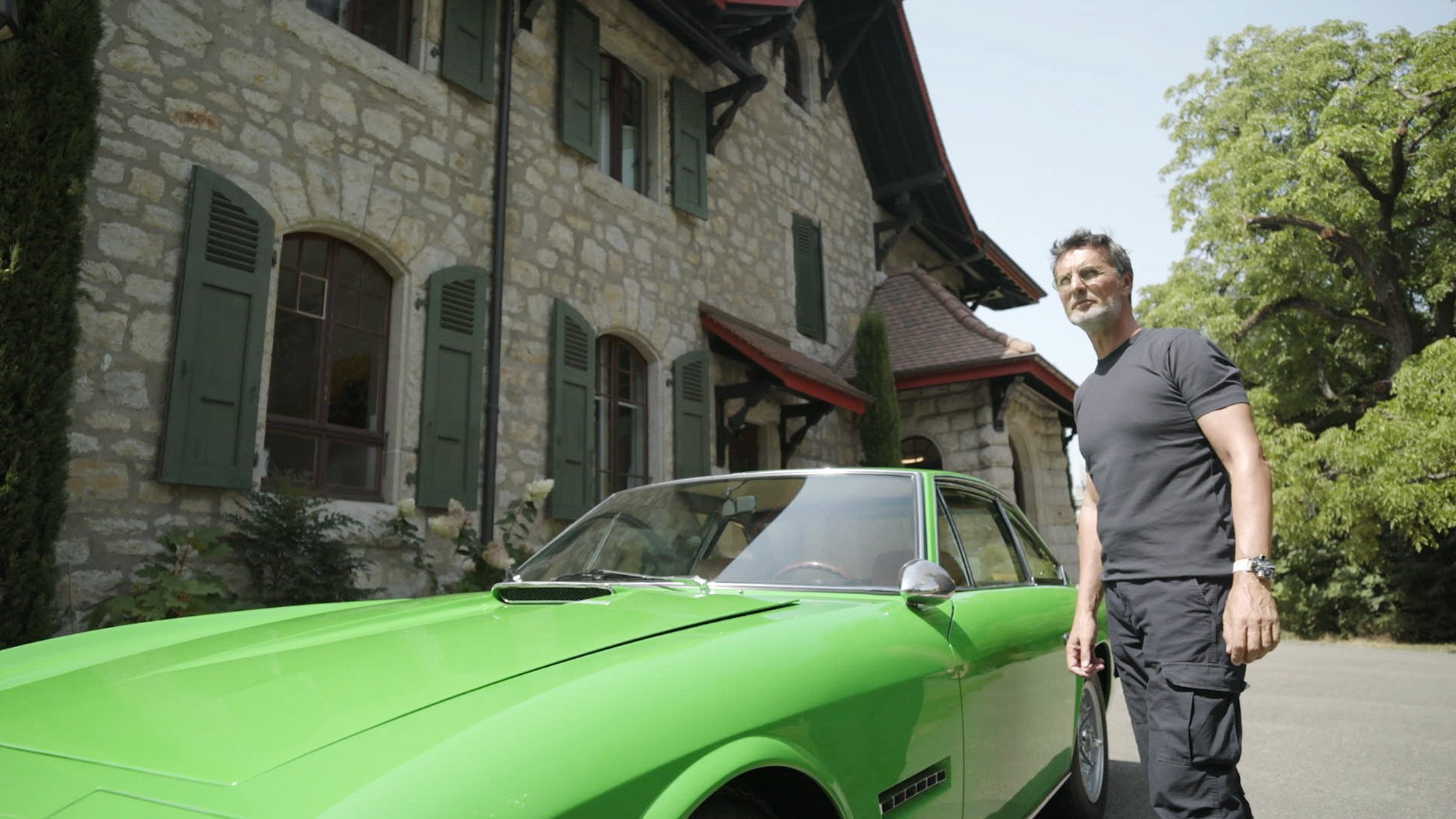
True to that vision, the result is a series that features names such as Francois-Paul Journe, De Bethune, Urban JUrgensen, Rexhep Rexhepi, Greubel Forsey and MB&F. To Koh, these are not just artisans but visionaries. "They are watchmakers, but watchmaking is the medium for their expression as artists, in the same way that jazz was Miles Davis' or painting was Jackson Pollock's."
One of his most memorable encounters was with Robert Greubel of Greubel Forsey, a man who had all but vanished from public view. "He was this crazy recluse - it was impossible to track him down," says Koh. "Even while we were shooting, until we finally found him, we genuinely had no idea whether he would actually show up, because the last time he'd been seen in public was two decades earlier." Their eventual meeting was cinematic. "When we were on the top of the Alps, I heard the sound of this Harley-Davidson, and I look over - Robert Greubel's there in a leather jacket and tennis shorts, with his wife on the back. That was the first time he'd been seen in 20 years."
At Greubel's farmhouse, Koh found a man who preferred the company of nature to the limelight. "He's raising peacocks, and I didn't realise that male peacocks are extremely territorial, so that I could actually get attacked by one," he says, laughing. "Even though their watches cost an astronomical amount of money, they don't make money with their company. They do it because they love it, and because they're worried that the savoir faire will die and want to keep it alive."
It is these moments of insight and intimacy that give Man of the Hour its emotional depth. "I grew up loving long-form journalism," Koh says. "To reconnect with traditional narrative structure in the medium of today - television and streaming - felt important."

Moving from print to screen, he learned to approach storytelling differently. "As a journalist, you're almost looking to ask questions. As a TV host, you just need to listen. You provide the framework and let the story come to you. That's why I wanted to start with the independents - there's trust there, and genuine friendship."
That trust is what allowed Koh to capture a softer side of Francois-Paul Journe, known for his exacting standards. "Everyone knows him as authoritarian, but it's kind of an act - he's afraid for people to know how nice he is," says Koh. Journe's kindness, he adds, extends far beyond his atelier. "When his long-time business partner Gino passed away during Covid, he made this incredible effort to make sure that Gino's widow and her son were really well taken care of. He built them a business in the UK and said, 'Now this is yours.' When they thanked him, he said, 'Please don't thank me. If the tables were turned and it was Gino taking care of my family, he would do the same thing.' The depth of that loyalty really stayed with me."
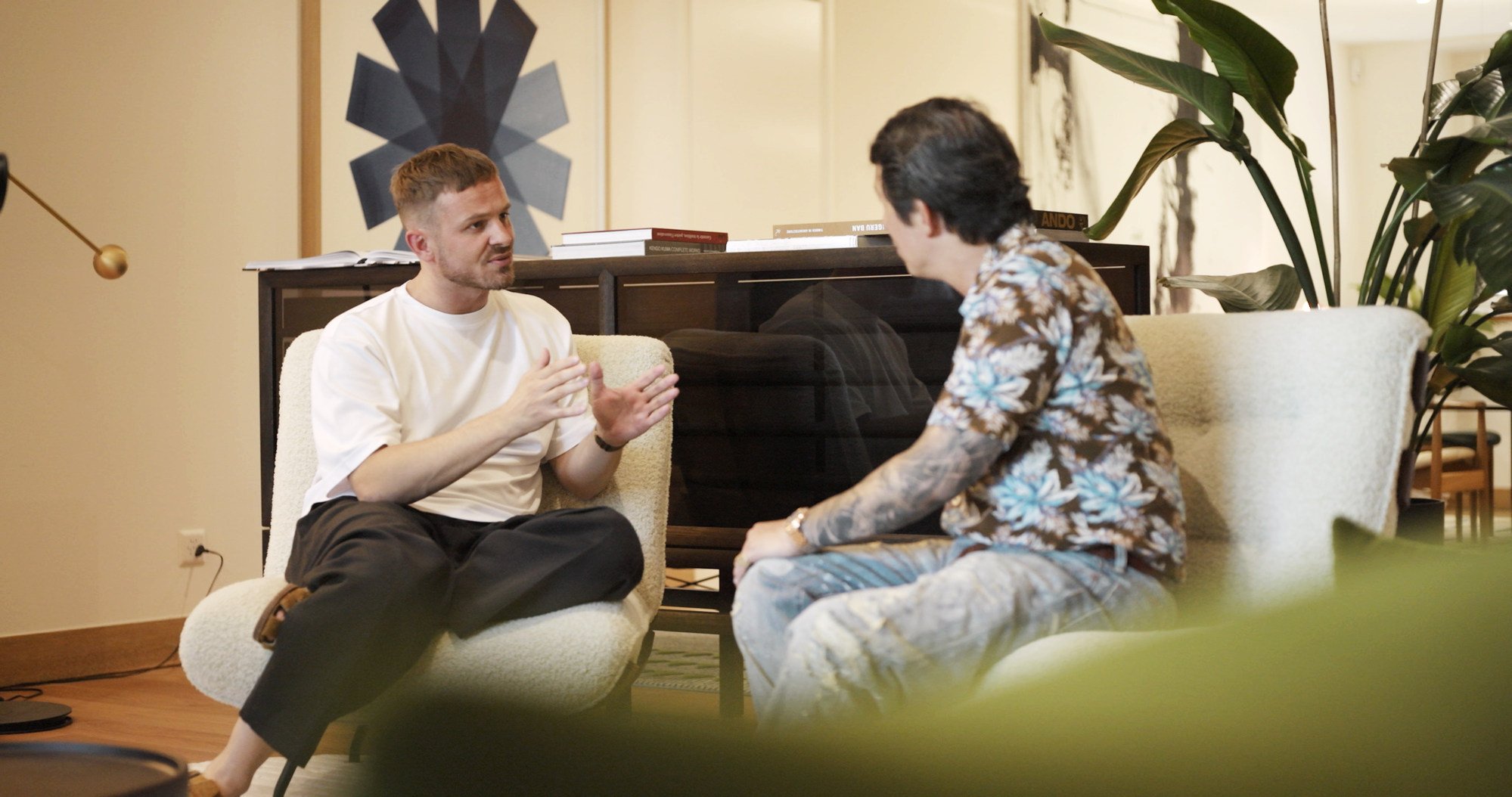
Koh's admiration extends to the next generation of makers, such as Rexhep Rexhepi, who fled Kosovo's civil war as a child. "He grew up in an environment of true fear," Koh notes. "He came to Switzerland not speaking a word of French, and somehow rose to become the Swiss watchmaking industry's greatest young champion." For years, Rexhepi didn't even put his name on his watches. "His father told him, 'You're a refugee in this country. Keep your head down. Don't draw attention to yourself.' It was only through the urging of others that he had the confidence to put his name on the dial and accept himself as a success story in Switzerland."
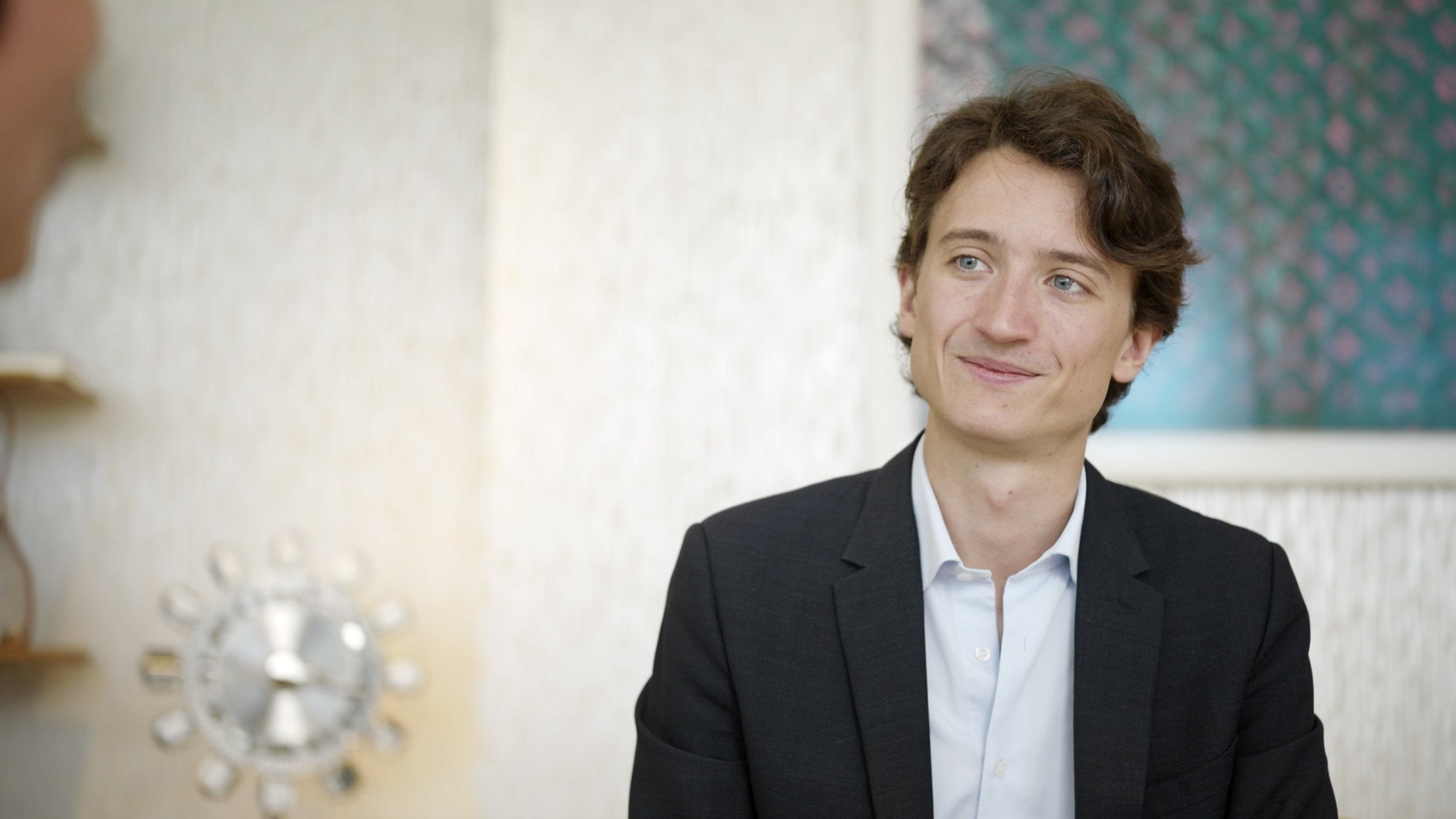
But independence, Koh says, isn't limited to the small ateliers. "People might think it's only about small creators, but independence can be expressed in different ways," he says, with the likes of Louis Vuitton in mind. "Jean Arnault, Bernard Arnault's youngest son, has emerged as the greatest champion of independent watchmaking of his generation. He's created [the Louis Vuitton Watch Prize] to nurture the next generation of talent, and he and his collaborators take zero per cent of the earnings - they redirect everything [back] into that prize."
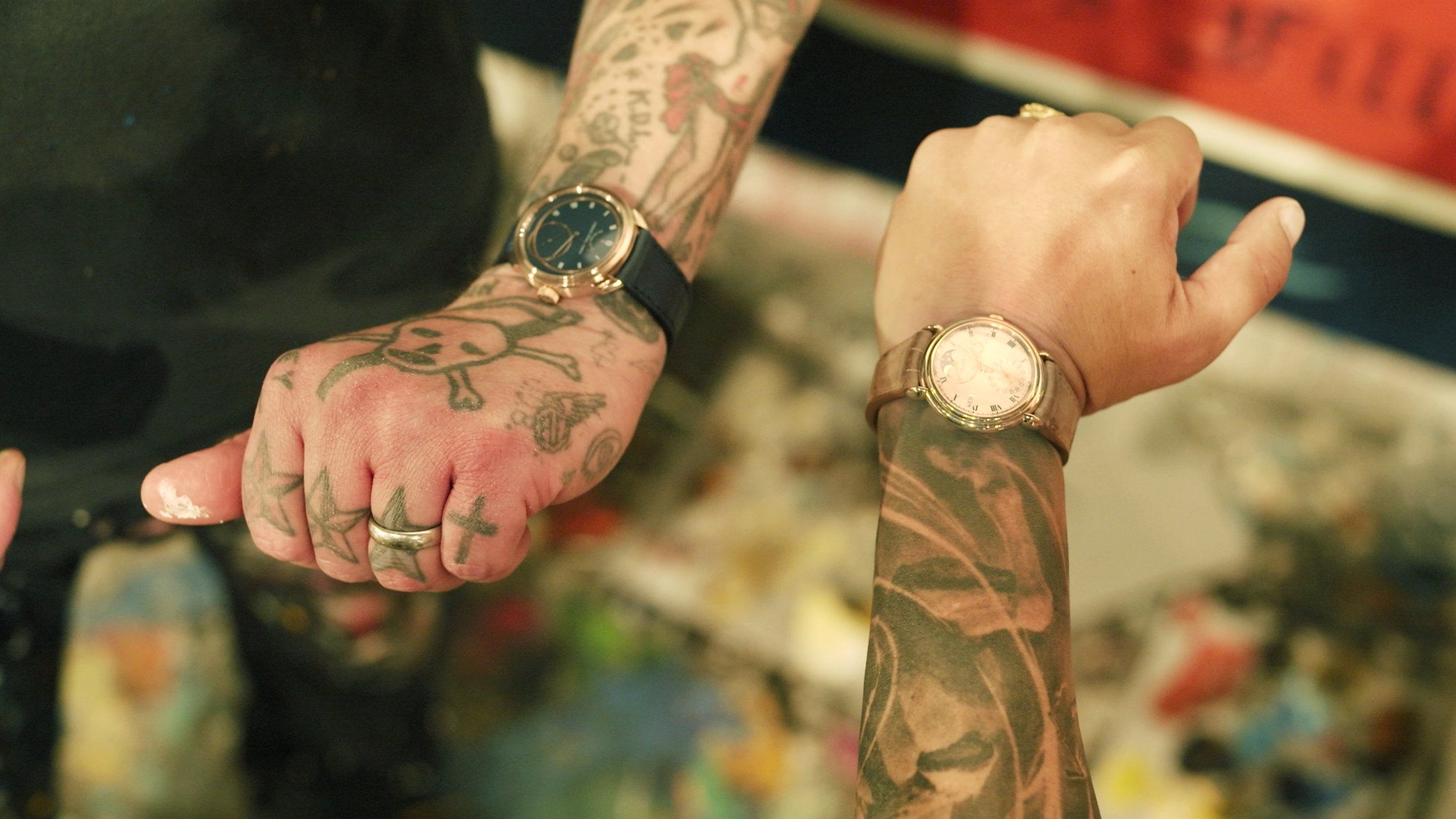
Throughout the series, Koh's love of watches remains palpable. "One of the first significant pieces I bought was a De Bethune," he says. "I wore it throughout filming - mountain biking, hiking, chopping wood. To undertake these efforts with these watches on your wrist was pretty extraordinary." He laughs, recalling a more unconventional moment: "Rexhep Rexhepi's watches command a million-[US-]dollar premium on the secondary market. I asked what I could do to be on the allocation list, and he said I'd have to survive three rounds of boxing with him. We actually shot it - he beat the hell out of me - but in the end, he agreed to consider me for the list."
"It's been a labour of love for two years," Koh says. "The fact that it's a reality now is incredible - and that the watchmakers feel we portrayed them responsibly and with humanity means everything to me."
For Koh, the enduring beauty of a mechanical watch lies in its lack of necessity. "They already have no reason for existing - zero rationale - yet somehow their potential for creating emotion is generated by virtue of that uselessness. They're powered by our movement and last beyond us. They're expressive tools, works of art and symbols of permanence in an age of impermanence."
More Articles from SCMP
Sabalenka, Kyrgios will take ‘Battle of the Sexes’ to Dubai as Hong Kong misses out
Trump threatens China over soybean snub; US security expert held: SCMP daily highlights
Vincent Ho rattles off three-timer in consecutive races at Happy Valley to jump-start his season
Hong Kong Monetary Authority picks second batch of banks, tech firms to test AI in finance
This article originally appeared on the South China Morning Post (www.scmp.com), the leading news media reporting on China and Asia.
Copyright (c) 2025. South China Morning Post Publishers Ltd. All rights reserved.
Thus the article Wei Koh’s Man of the Hour explores the lives of watchmakers, from MB&F to Greubel Forsey
You are now reading the article Wei Koh’s Man of the Hour explores the lives of watchmakers, from MB&F to Greubel Forsey with the link addresshttps://www.angkaraja.cfd/2025/10/wei-kohs-man-of-hour-explores-lives-of.html
0 Response to "Wei Koh’s Man of the Hour explores the lives of watchmakers, from MB&F to Greubel Forsey"
Post a Comment