Judul : She Opens Her Eyes to "Boyfriend" — Wristband Scan and CCTV Expose the Lie
link : She Opens Her Eyes to "Boyfriend" — Wristband Scan and CCTV Expose the Lie
She Opens Her Eyes to "Boyfriend" — Wristband Scan and CCTV Expose the Lie
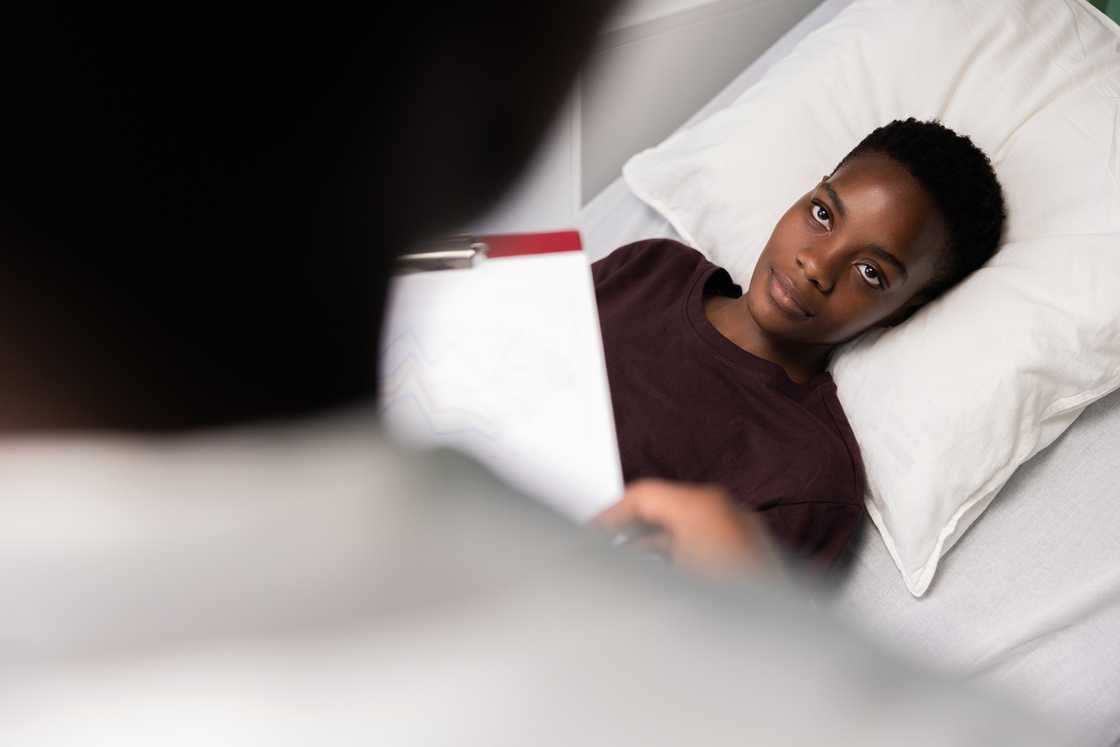
A faint hum came from the light above me, and a bright white light hurt my eyes as I opened them. My throat felt as if I had swallowed sand. The air was filled with the smell of antiseptic. In the distance, a machine made a soft, steady beeping sound. I blinked and saw a man standing over me, his face initially blurred, then recognizable.
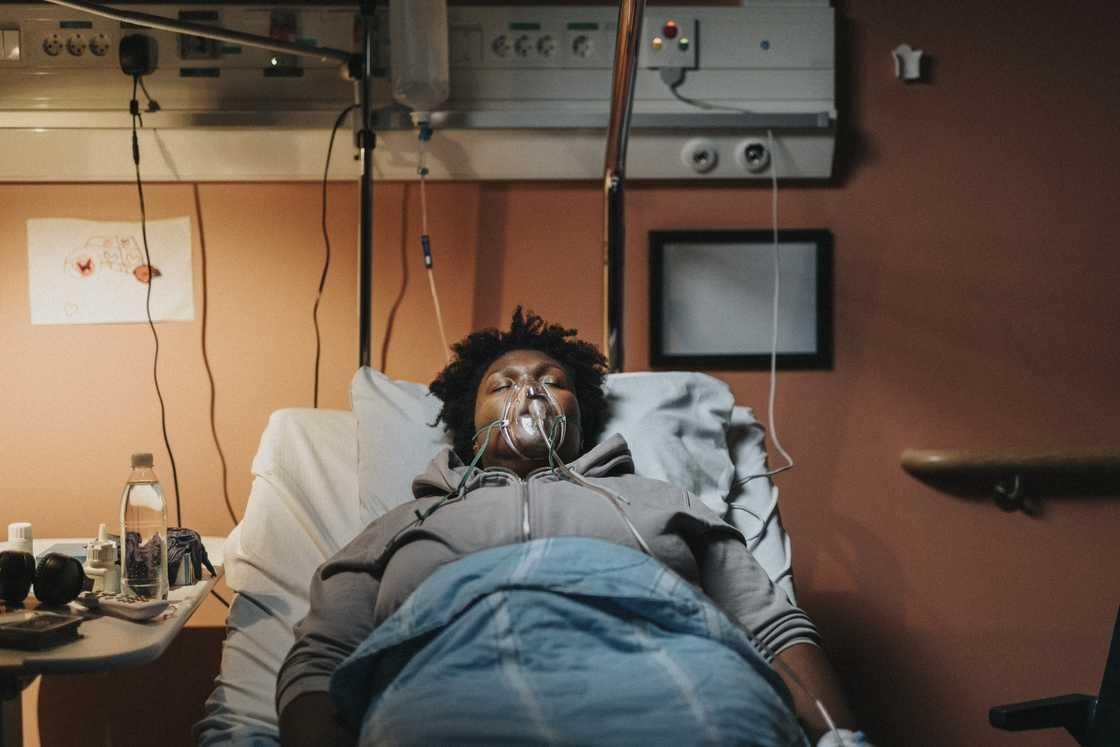
Hello, dear," he murmured, tightening his grip on my hand. "You're finally awake.
I attempted to speak, but my voice broke. He smiled and remarked, "It's me, Denis. I've been here daily."
My heart raced with uncertainty. Denis? We had only been together for three months before I broke things off. What was he doing here? I wanted to inquire about my mother, but he softly silenced me, pushing my hair back.
It's fine. There's no need to be concerned," he said gently. "I informed the nurses that I'm your boyfriend. They'll allow me to take care of everything.
A part of me became still. I sensed a silent warning emerging from my confused thoughts. My body remained motionless, yet my mind murmured a single clear message: something was not right..

Prior to the accident, I was someone who meticulously planned every aspect of my life. I worked as a junior architect in Upper Hill, constantly drawing designs for structures and imagining areas filled with natural light. My mother, a former nurse, resided in South B along with my aunt, who was paralyzed and required assistance. We had nightly conversations. She was my go-to person for all matters—ranging from work documents to my mobile plan.
Denis entered my life via a shared acquaintance. He had a subtle charm, working as a freelance photographer who preferred to describe himself as a "visual storyteller." He wasn't typically the kind of person I dated, but he was considerate, constantly inquiring if I had eaten and sending pictures of sunrises with captions.for your type of illumination
At first, I appreciated the attention. He would bring me tea while at work, assist me in carrying my laptop bag, and comment that I worked too much. However, it wasn't long before the kindness began to feel burdensome.
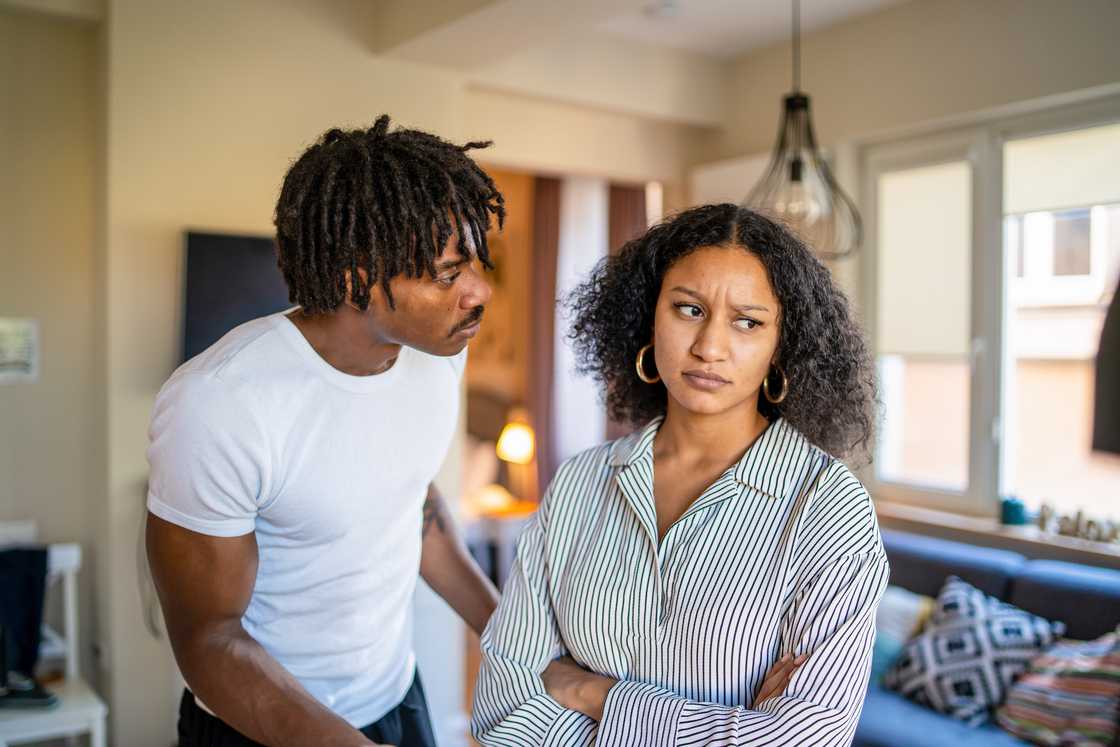
If I didn't respond to his calls right away, he would comment, "You're probably with someone else." If I went out with my coworkers, he would send constant texts demanding evidence.
After I eventually ended things with him, it wasn't chaotic. It was calm. I informed him that we weren't meant to be together. He responded, "You'll realize. No one will ever care for you the way I do."
A month later, I was heading to a site visit in Westlands when a truck veered out of its lane. I recall the glint of metal, the sound of screeching tires, and then—nothing.
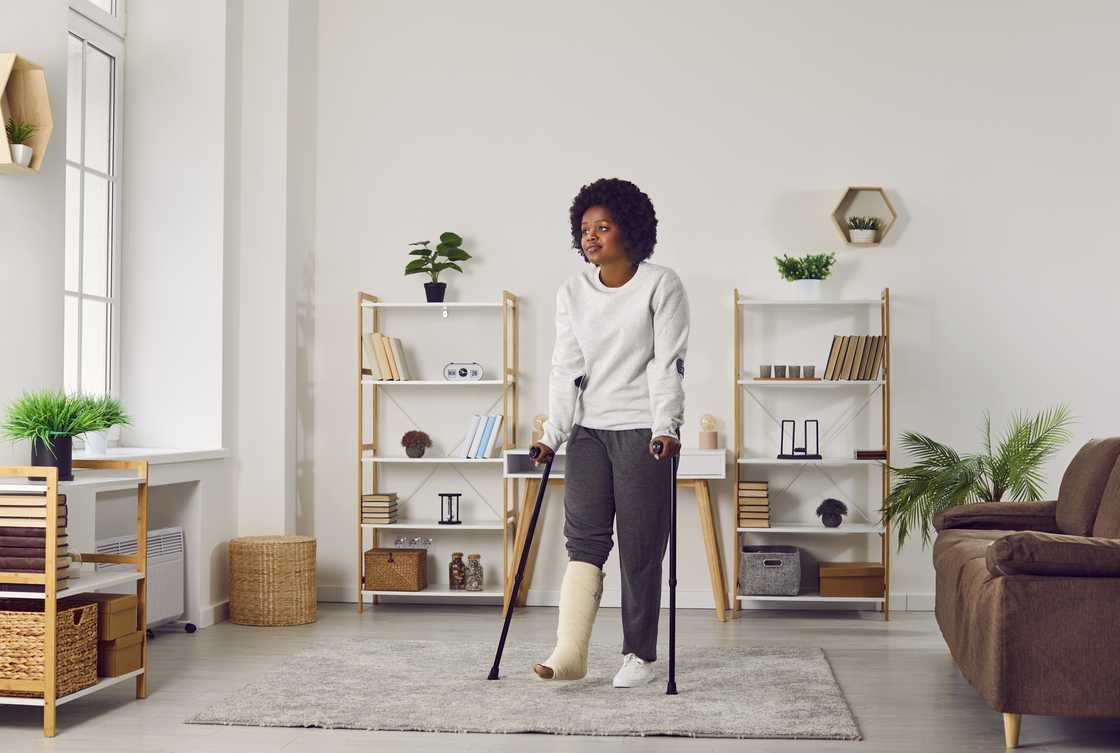
Later, they informed me that I had spent two weeks in the ICU. My left leg was fractured, two of my ribs were broken, and I had suffered a significant head injury. I had been drifting in and out of consciousness. My mother was listed as my next of kin, and the hospital reached out to her right away.
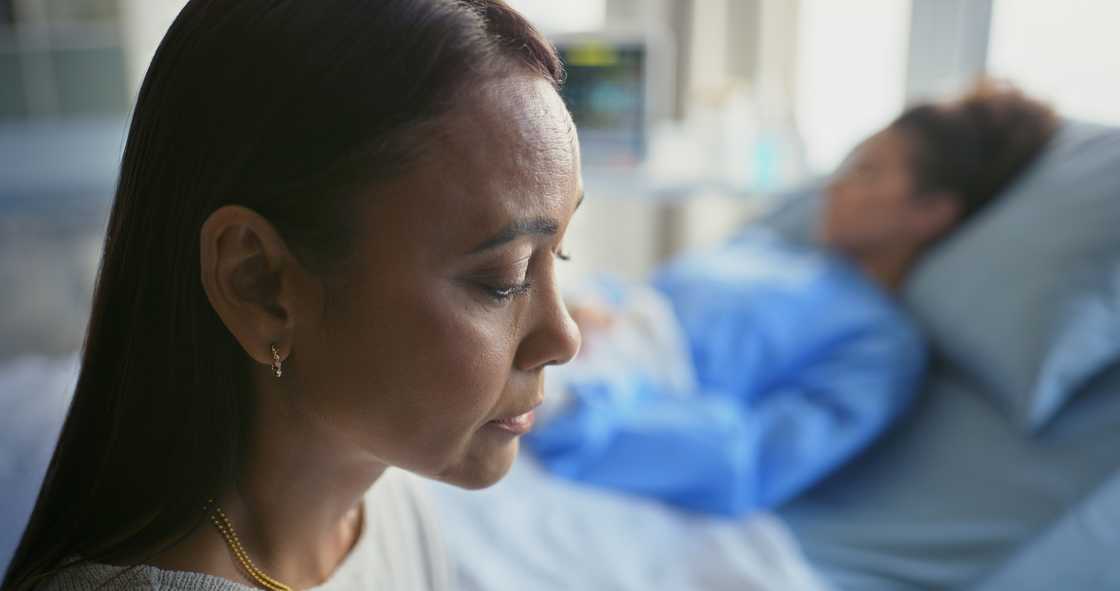
She remained by my side, offering prayers each morning before returning home to get some rest. However, she caught a flu during the first week and was unable to come back for several days. It was then that Denis showed up. He must have found out about my accident through social media; a friend had shared a prayer message mentioning my name.
The nurses mentioned that he arrived weeping, insisting he was my boyfriend. He even brought flowers and spoke with the nurse on duty as though he had been there from the beginning. He learned my room number, remembered the visiting times, and started arriving with a calm sense of control.
When I eventually regained consciousness, he was already present. The staff had become accustomed to him—he brought water, signed the guestbook, and provided updates as a family member would. They placed their trust in him. He had transformed my unconscious state into an opportunity.
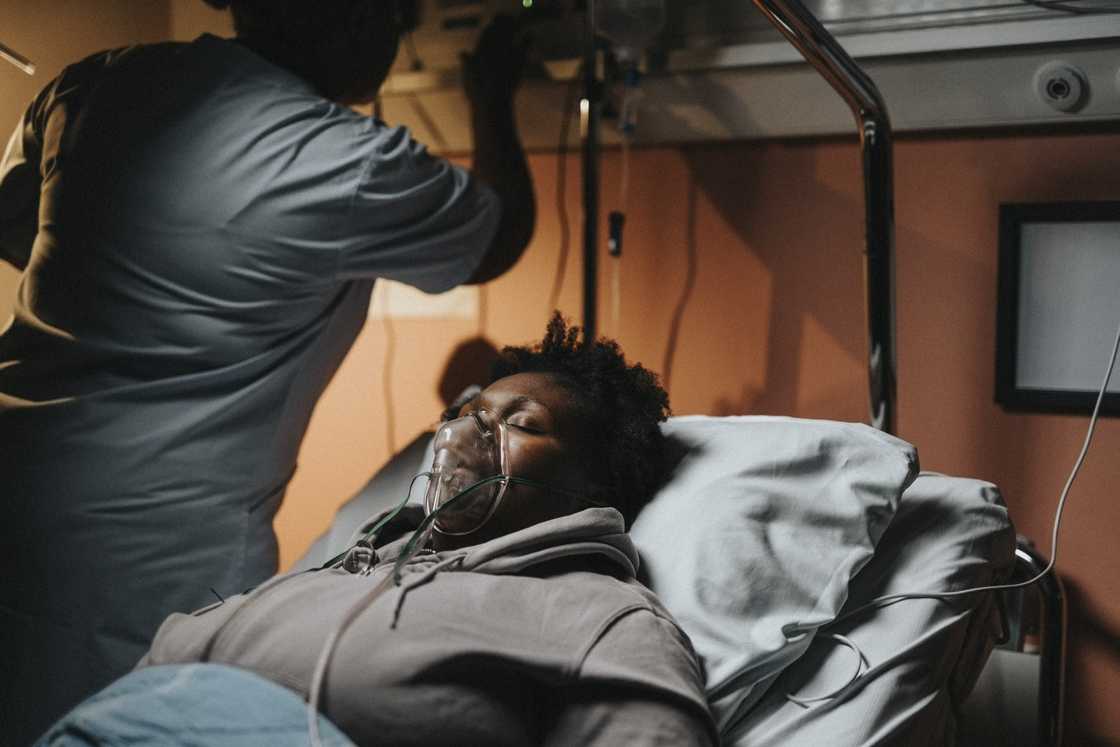
But I started observing minor details in that delicate area between suffering and consciousness. His phone calls were concealed, and his murmurs to the nurses happened too swiftly. Every time I inquired about my mother, he would say, "She's taking a rest. I'll inform her."
I lacked the strength to challenge him. My physical recovery was slower than my terror. It felt as though I had awakened within another person's narrative, uncertain of how it had started.
Nevertheless, a voice from within me murmured that there was something about Denis's presence that was not love—it was domination.
As time went on, I started connecting the pieces of information like broken parts of a dream. My head still ached from the injury, and the nurses talked to me at a slow pace, as though my thoughts could vanish once more. However, I was beginning to see things more clearly now. There were fewer tubes, and I could raise my arm without assistance.
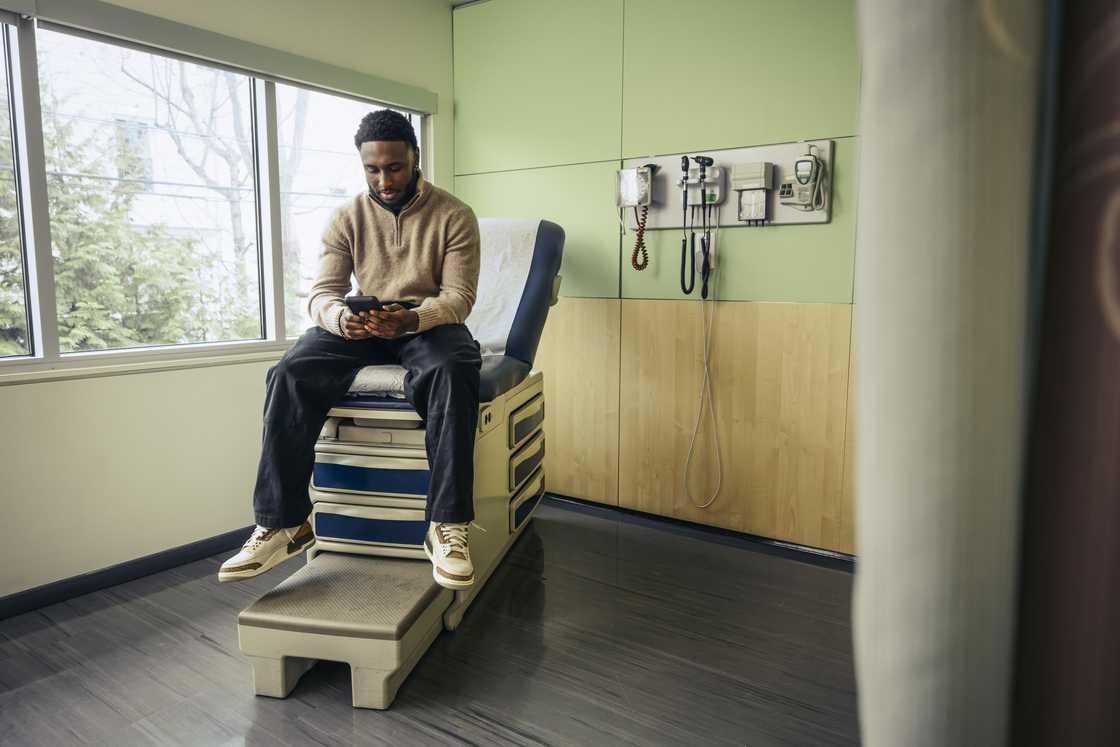
Denis stayed consistent. Morning, afternoon, evening. He remained by my bed as if on duty, scrolling through his phone, occasionally looking at me with that half-smile which used to seem kind but now appeared scripted. Every time a nurse came in, he would sit up straight, speaking in a courteous and concerned manner.
"She's improving, isn't she?" he would comment, as though he was involved in my rehabilitation process.
I wished to ask him to go, to grant me some room, yet each time I attempted, my voice became timid. I felt thankful, puzzled, and fearful of confrontation. My body was fragile, while he walked with assurance in a realm where I struggled to remain upright.
On the third day following my awakening, I inquired about my phone. He mentioned that it had been damaged during the accident but asserted that he had "taken care of" everything. He added, "You don't need to worry. I have been responding to messages from work and friends."
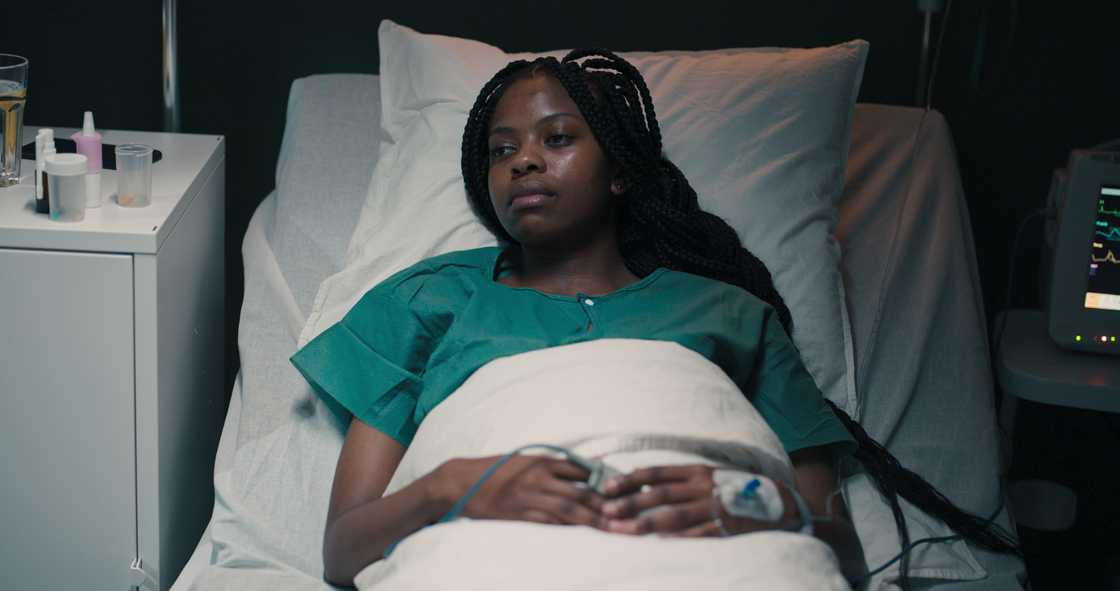
I looked at him. "Have you been using my phone?"
He grinned. "Just to keep you safe, Maureen. Folks were inquiring, and I didn't want them to get concerned."
My heart raced. There was something off about the word "protect." He was overly calm, too confident.
In the late afternoon, a nurse named Regina arrived to check my vital signs. She was kind and nurturing, with a strong accent carrying coastal influences. Denis remained nearby, responding to her questions on my behalf.
"She has been fine today," he said before I had a chance to speak.
Regina glanced at him, then looked back at me. "How are you feeling, dear?"
I'm fine," I murmured. "May I visit my mother soon?
Denis spoke up once more. "Her mother has been getting better. She asked me to keep her informed."
Regina gave a small frown but then nodded. After she left, Denis smiled at me as though nothing had occurred.
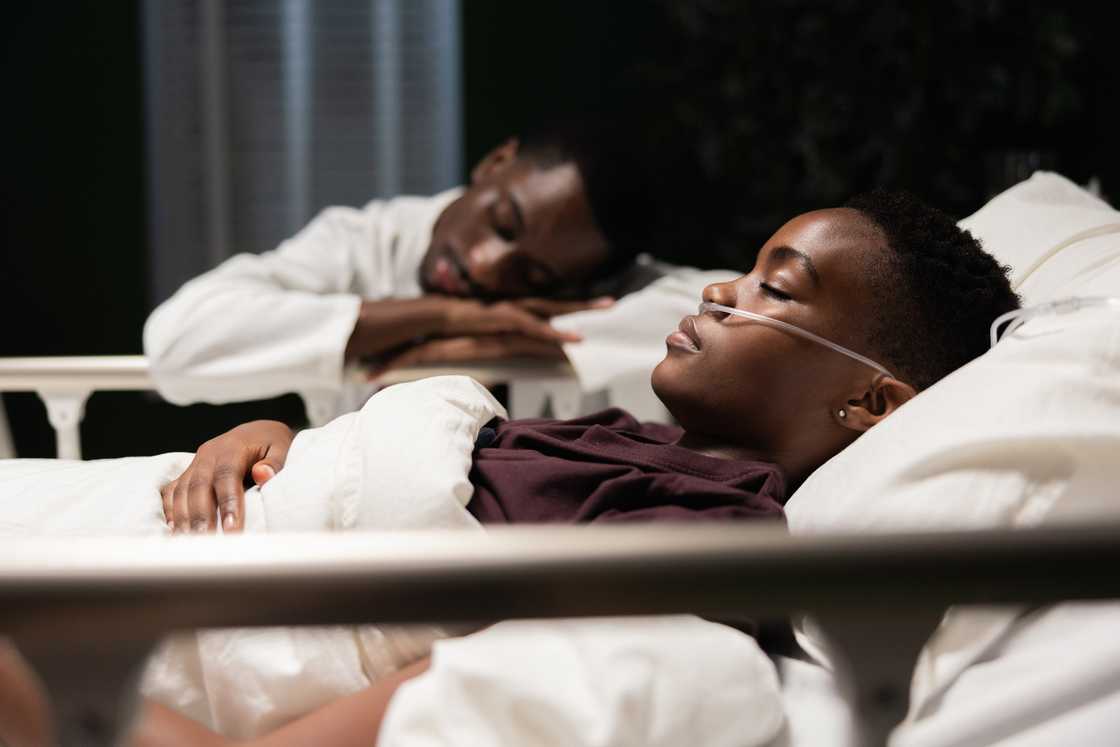
That evening, I was unable to fall asleep. The sounds of the machines seemed more intense, and Denis's breathing from the chair next to me was annoying me. He had fallen asleep while still holding his phone. I wanted to take it, but my body was too sore to move.
The following morning, I approached a younger nurse named Cate and requested her assistance in calling my mother. She mentioned she would attempt to help, but upon her return, Denis was already present, holding my phone. He stated, "I spoke with your mother earlier. She said she will arrive tomorrow."
Cate appeared confused. "But I believed her phone number couldn't be reached," she murmured.
Denis offered her a stiff smile. "Perhaps you dialed incorrectly."
The atmosphere remained charged after the exchange. Cate didn't add anything else, but her gaze remained on me as she departed.
In the following days, Denis's visits grew more dominant. He reorganized my meal tray, instructed the cleaner on her schedule, and even murmured that he had "taken care of my bills."

That evening, I heard two nurses speaking outside my curtain. "That man is always here," one whispered. "But his name isn't on her file. Only the mother is listed as the next of kin."
Perhaps he's related through the boyfriend's side," the other said. "You know how people can be.
Their voices disappeared, yet the first nurse's uncertainty remained with me.
The following morning, I summoned my energy. As Denis went out for breakfast, I requested Regina to verify if my mother had indeed called. She gazed at me with kindness and replied, "Your mother arrived yesterday evening. She mentioned she wasn't permitted entry. The man stated that visiting hours had ended."
My abdomen churned. "He deceived me," I murmured.
Regina's face became stern. "Don't worry, my dear. We will investigate this."
That evening, Denis came as usual, smiling while holding a bunch of artificial flowers. He placed them on my tray and moved in closer. "I told your mother to take it easy. You only need me now."
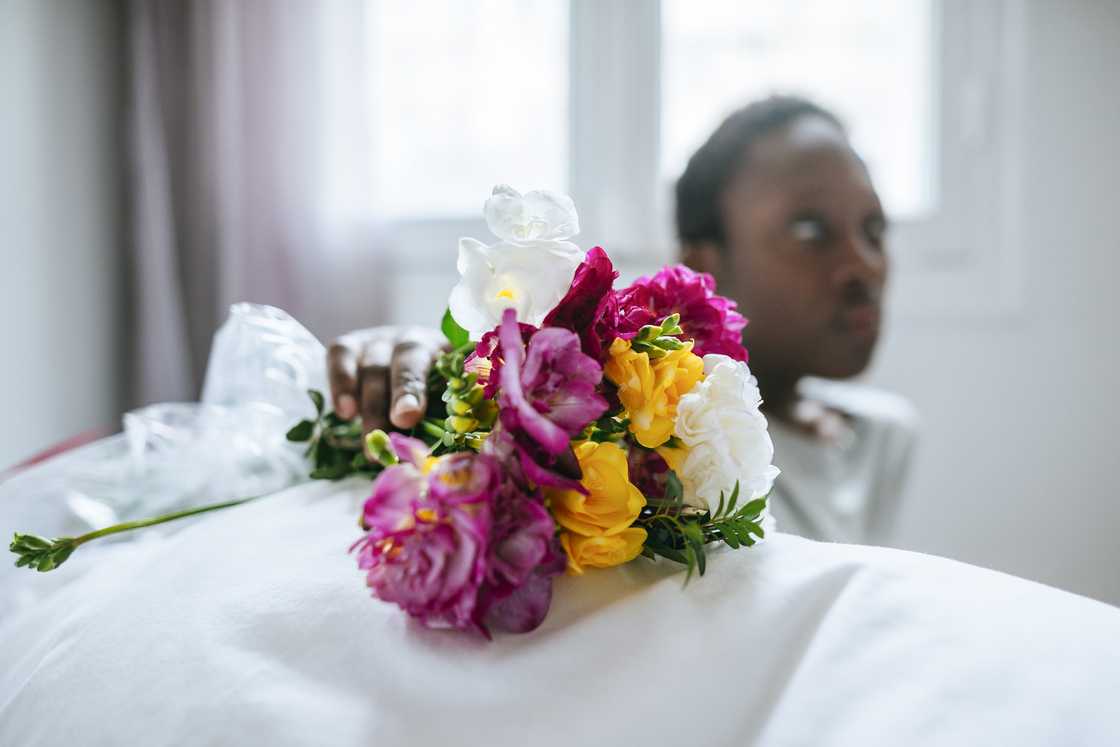
I felt tears burn my eyes, not out of love but due to fear. At that moment, I understood that I wasn't merely recovering from an accident—I was stuck next to someone who wished to claim my story.
Regina didn't address him immediately. She waited for her shift supervisor, a tall and composed man named Paul, who had been working at Nairobi Central Medical Centre for more than ten years. The following morning, while Denis was away making one of his "phone calls," Regina and Paul came to my bedside.
Maureen," Paul said softly. "We have a few questions to ask. Do you recognize this man—formally? Is he your next of kin?
I paused, my voice still fragile. "No. We were together for a brief period. We separated before the accident."
Paul glanced at Regina. "We assumed that. Your records list your mother, Florence Maina, as the sole emergency contact. However, he has been entering as 'partner' and giving directions to the staff."
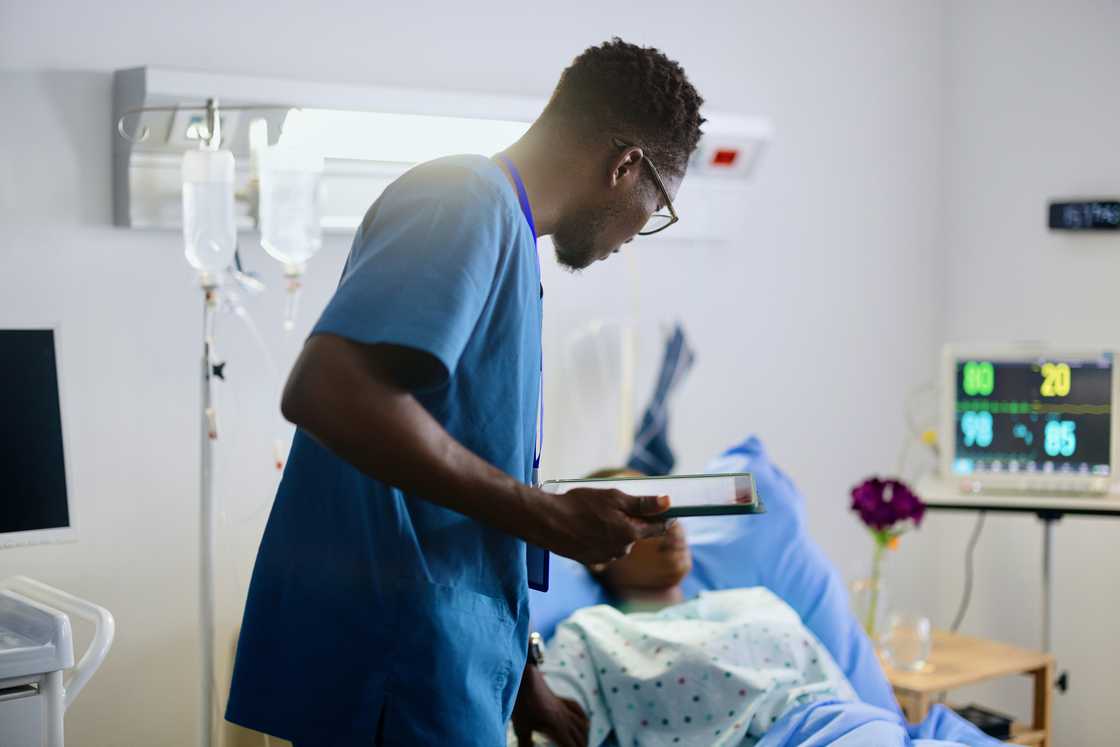
I felt my chest constrict. "He mentioned that my mom instructed him to take care of it."
Regina shook her head. "Your mother has been visiting. She was turned away twice when he informed the receptionist that you were resting."
I was overcome with tears. My voice trembled. "May I see her? Please."
Paul nodded. "Initially, we must confirm all details. According to hospital regulations, visitor identification needs to be verified. We'll review the records and surveillance footage. For the time being, you don't need to be concerned."
He departed, and Regina gently pressed my hand. "Just take some rest, Maureen. We'll ensure no one exploits you again."
When Denis came back that afternoon, his demeanor had changed. He appeared anxious, his eyes moving swiftly across the room. He offered a brief, artificial smile. "The nurse mentioned you had additional visitors earlier?"
I gave a slow nod. "They arrived to ask questions."
He placed the bag of fruits down with excessive force. "Questions? Regarding what?"
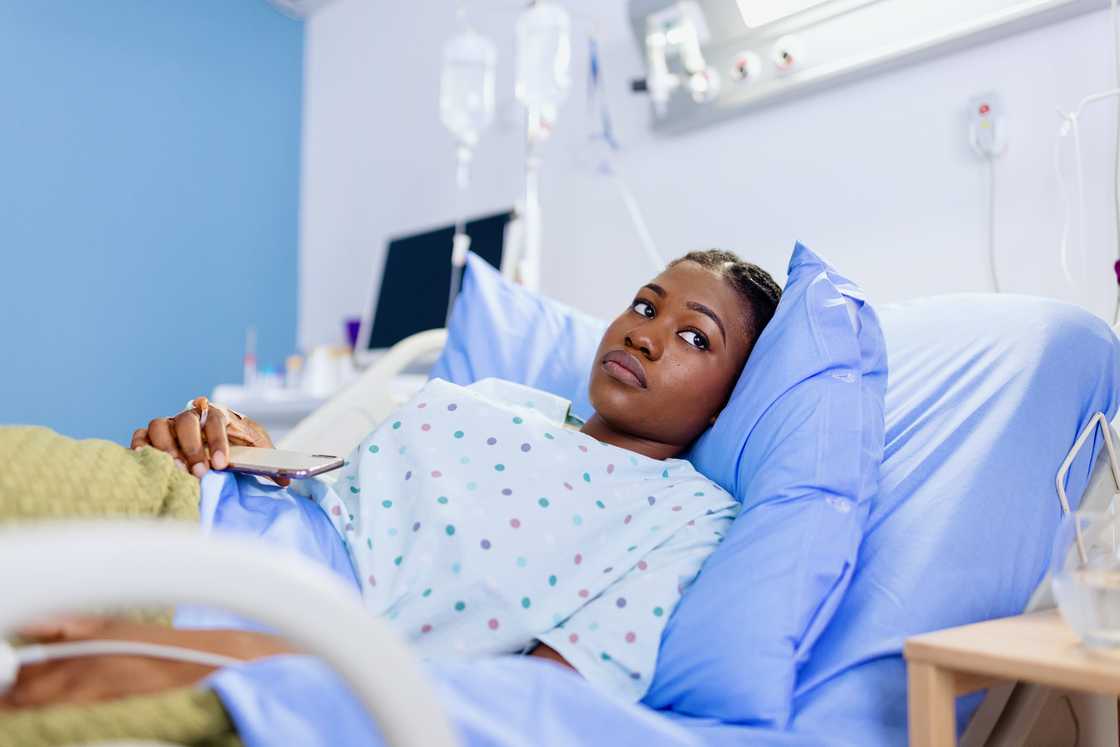
I remained silent. My quietness appeared to disturb him. He sat down, moving closer. "You shouldn't trust everyone, Maureen. People can become envious when they notice how close we are."
Regina arrived at that moment, her expression calm. "Pardon me, Denis. Could you come to the counter for a moment? We need to confirm your visitor information."
He paused. "Is something wrong?"
"Standard procedure," she remarked effortlessly.
He exited after her, his actions rigid. Upon returning, Regina appeared calm, yet her eyes held a tempest.
She drew the curtain shut and whispered, "Maureen, he's not returning."
I opened my eyes, puzzled. "What occurred?"
She exhaled deeply. "We requested his identification. The name he provided does not correspond to any entry in our records. The phone number he noted in the guestbook is associated with someone else. We examined his temporary badge—he had modified it. Paul reviewed the security footage. He has been entering after hours, pretending to be a relative."
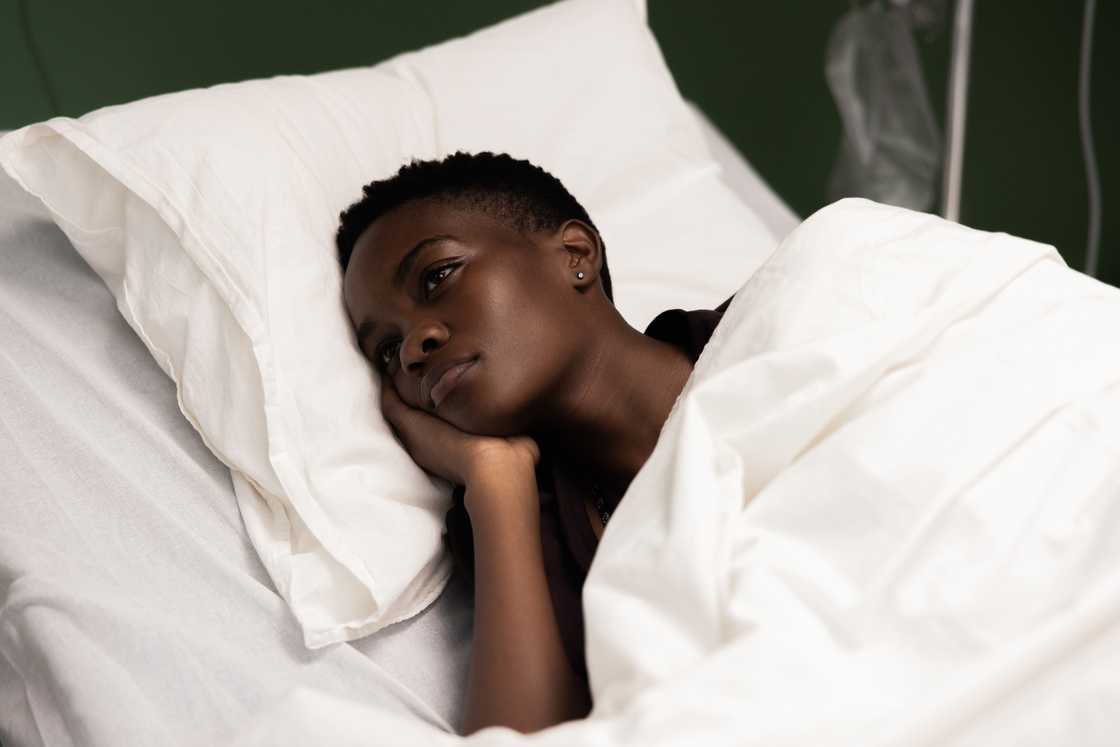
I gasped. "But how—how did that happen?"
Unfortunately, he convincingly used your name and introduced himself as your boyfriend. Most of the staff didn't doubt it because he remained calm and consistent." Regina paused, her tone becoming gentler. "We have reported this to the hospital's security office. Your mother has been notified and is on her way. The National Investigations Bureau (NIB) Gender Desk will arrive tomorrow to take your statement.
The tears flowed quickly. Relief and fury collided within me, like fire and water. I had been powerless, watching as someone manipulated my world through lies.
That evening, Paul personally came to reassure me. "We will examine our protocols, Maureen. Visitor verification will be modified due to this incident. No one will enter here again without proper scrutiny."
When my mother arrived, she embraced me firmly, shaking. "My child, I thought I had lost you twice," she murmured.
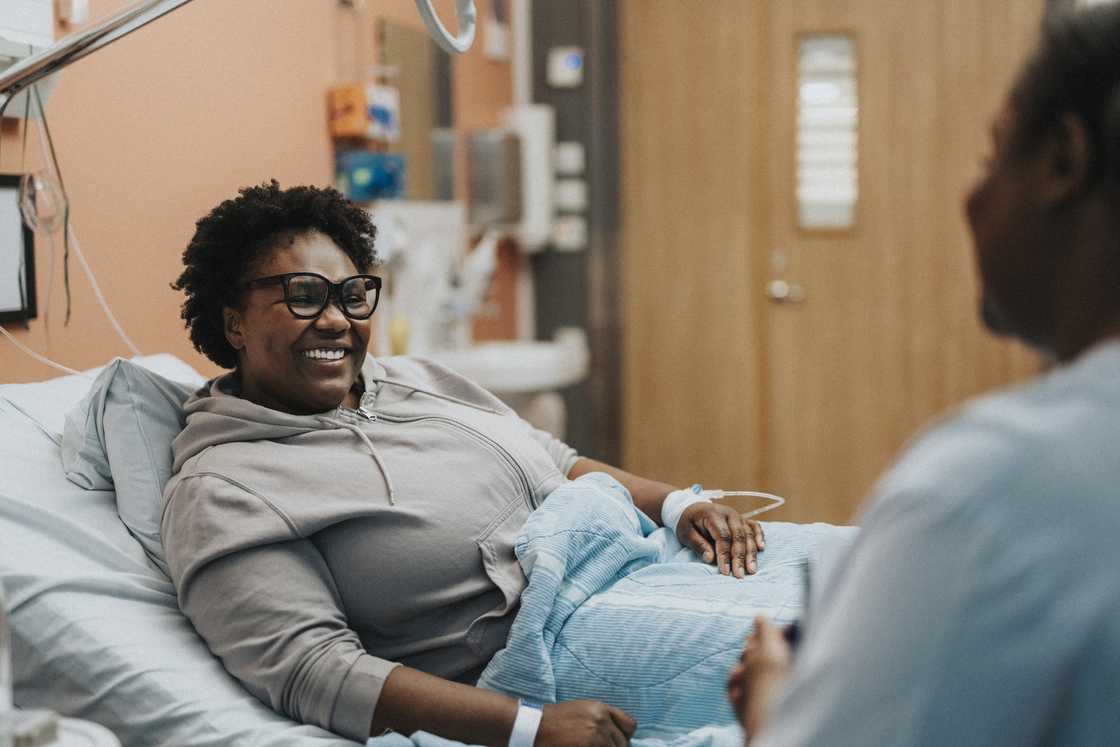
I pressed my face against her shoulder. For the first time since the incident, I experienced a sense of security.
The next morning, two officers from the NIB Gender Desk came. One of them, Inspector Moraa, wrote down what she heard as she talked to Regina and Paul. She then looked at me, her face showing kindness.
Maureen," she said, "we have detained Denis for interrogation. He was caught attempting to exit via the outpatient entrance. Security found his counterfeit visitor badge and verified the surveillance video. You are safe now.
The words took time to register. My chest gradually relaxed with every breath, as if I were regaining air that had been taken from me. I silently expressed my gratitude.

In the following days, Nairobi Central Medical Centre transformed into a new environment. The atmosphere of the ward changed from quiet murmurs to a more careful friendliness. Paul held a brief meeting with the staff, outlining new verification processes—each visitor would now have to undergo a wristband scan and an ID check against the hospital's EMR (Electronic Medical Record) system.
As part of the procedure, the next-of-kin information for each patient was examined and confirmed once more. When Regina brought the form to my bed, I smiled slightly and carefully wrote my mother's name in uppercase letters. "Let's make sure this doesn't happen again," I said.
She nodded. "You possess more strength than you realize, Maureen."
Two days later, officers from the National Investigations Bureau came back to inform us. Denis admitted that he had lied to get in, wanting to "rekindle" the relationship we once had. He told them he couldn't bear the thought of losing me, and that he wanted to "protect me during a vulnerable time."
The officers remained unmoved. They promptly submitted a request for a restraining order. Inspector Moraa clarified that this conduct was not love—it was an obsession, and if left unaddressed, it could have led to a dangerous outcome.
A week later, I was transferred to a quieter bay within the orthopaedic department. My new room had a view of a small garden where birds built their nests in the jacaranda trees. The tranquility there felt like healing. My mother came to visit every day, sometimes accompanied by my aunt.
We laughed once more. We offered prayers in unison. Gradually, my body recalled the sensation of tranquility.
Prior to being released, Paul came to say farewell. "You understand," he remarked contemplatively, "this situation will transform our procedures. We are developing updated standard operating procedures for visitor confirmation. You assisted us in recognizing the weakness."
That carried greater significance for me than he realized. From something terrifying emerged a transformation that would safeguard others.
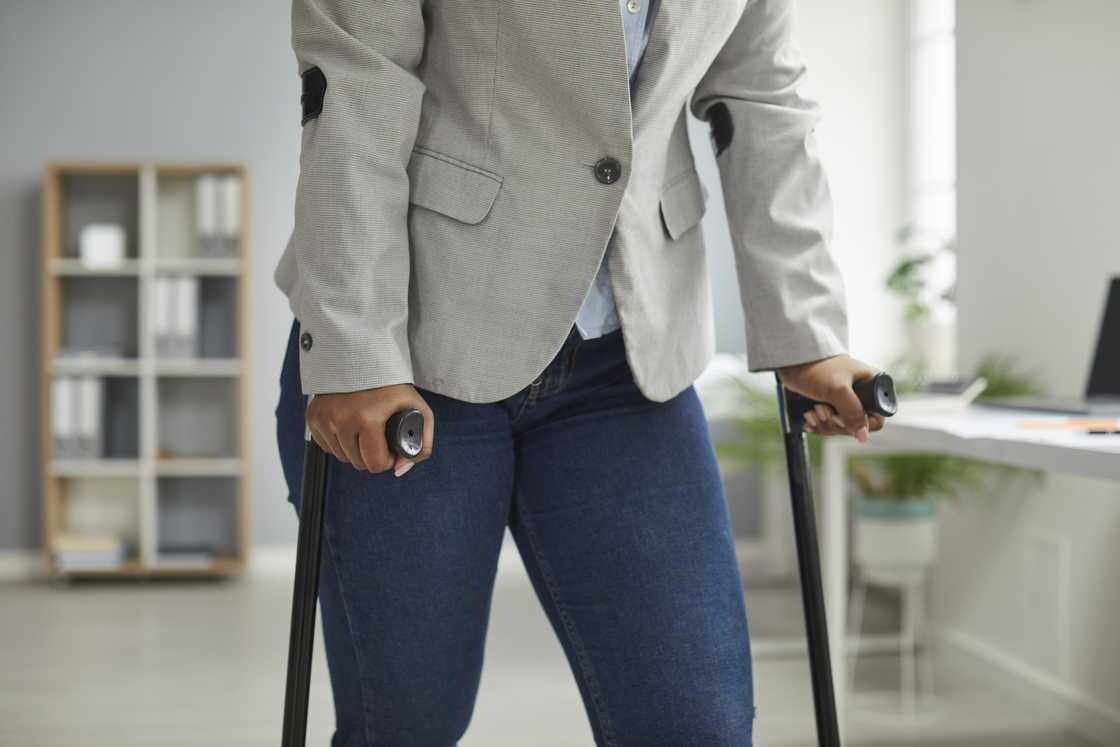
A few weeks later, once I had regained enough strength to walk with crutches, I went back to Nairobi Central Medical Centre—this time not as a patient but as a volunteer working on the patient-rights program. Regina embraced me when she spotted me in the corridor. "Look at you," she said kindly. "Back with a mission."
I grinned. "This place gave me a second opportunity."
As part of my job, I discussed with new patients the process of verifying caregivers, checking visitor identification, and voicing concerns when something seemed unusual.
In the process of healing, I discovered that being vulnerable is sacred, yet it can also be risky when others perceive it as an invitation to intrude without permission. Hospitals are where the most delicate aspects of our existence reside—our suffering, our quiet moments, our reliance on others. When these places are breached, it causes more pain than any physical injury.
I once believed that love involved giving up control and fully trusting another person. However, love without consent isn't genuine care—it's domination. Denis's betrayal revealed to me that danger can often appear in a familiar form and whisper gently. What ultimately helped me wasn't just my own strength; it was the power of truth, verification, and the bravery of those who genuinely cared enough to question things.
Now, each time I pass through Nairobi Central Medical Centre, I experience appreciation: for Regina who recognized the inconsistency; for Paul, who trusted my silent anxiety; and for my mother, whose prayers arrived even when I couldn't.
Healing revealed to me a basic reality: limits safeguard existence. In matters of love, well-being, or spirituality, we should ensure before we believe, and check before we give ourselves fully.
If someone professes to care for you during your most fragile moments, reflect—Are they grasping your hand to assist you in getting up, or are they keeping it so you remain stuck?
This narrative is based on the genuine experiences shared by our readers. We feel that each story holds a valuable lesson that can illuminate the path for others. In order to safeguard everyone's confidentiality, our editors might alter names, places, and some specifics while maintaining the essence of the story. The pictures are for visual purposes only. If you wish to share your own tale, kindly reach out to us through email.
Thus the article She Opens Her Eyes to "Boyfriend" — Wristband Scan and CCTV Expose the Lie
You are now reading the article She Opens Her Eyes to "Boyfriend" — Wristband Scan and CCTV Expose the Lie with the link addresshttps://www.angkaraja.cfd/2025/11/she-opens-her-eyes-to-boyfriend.html

0 Response to "She Opens Her Eyes to "Boyfriend" — Wristband Scan and CCTV Expose the Lie"
Post a Comment