Judul : US.-Iran ceasefire talks in Pakistan: Turning point
link : US.-Iran ceasefire talks in Pakistan: Turning point
US.-Iran ceasefire talks in Pakistan: Turning point
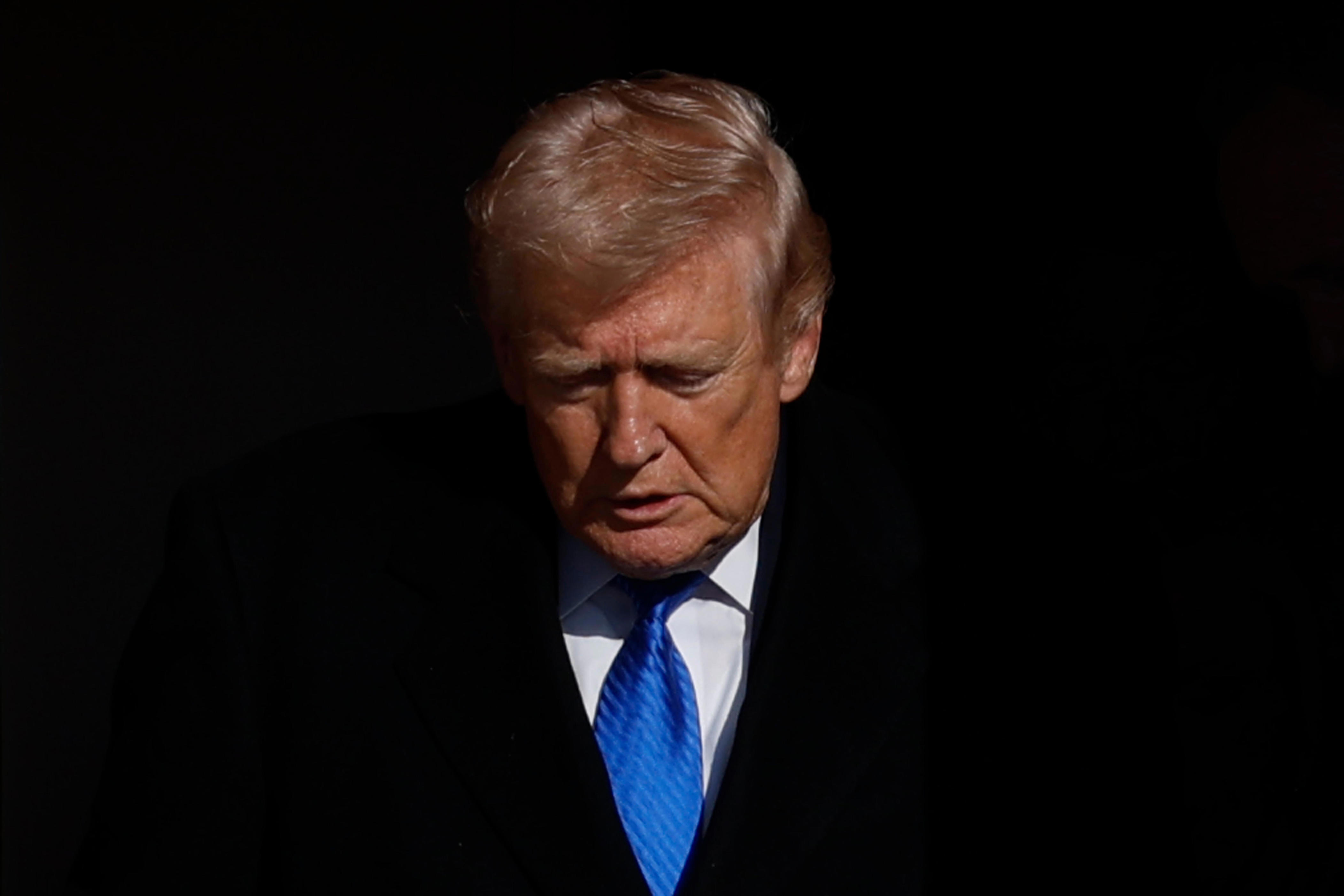
U.S. President Donald Trump, on the 23rd, local time, announced that an agreement on 15 issues, including Iran’s abandonment of nuclear weapons, recovery of highly enriched uranium, and opening of the Strait of Hormuz, has nearly been reached, marking a new phase in the Middle East war. While Iran officially claims “there have been no negotiations with the U.S.,” Reuters reported, citing a source from the Pakistani government, that U.S. Vice President JD Vance, special envoy Steve Witkoff, and President Trump’s son-in-law Jared Kushner are expected to meet with Iranian authorities in Islamabad, Pakistan, as early as this week to hold ceasefire negotiations. With U.S. Marines capable of ground combat heading to the Middle East, this week’s bilateral negotiations are expected to be a critical turning point determining whether the conflict will end or escalate.
President Trump, who on the 21st issued an ultimatum, “If the Strait of Hormuz is not opened within 48 hours, power plants will be reduced to ruins,” announced a five-day attack postponement on the 23rd, stating, “I have negotiated with Iran’s top officials. Iran’s attitude is sincere.” This is the first time Trump has officially acknowledged dialogue with Iran since the start of the war. The two countries are reportedly communicating indirectly through mediation by Pakistan, Egypt, and several Gulf states.
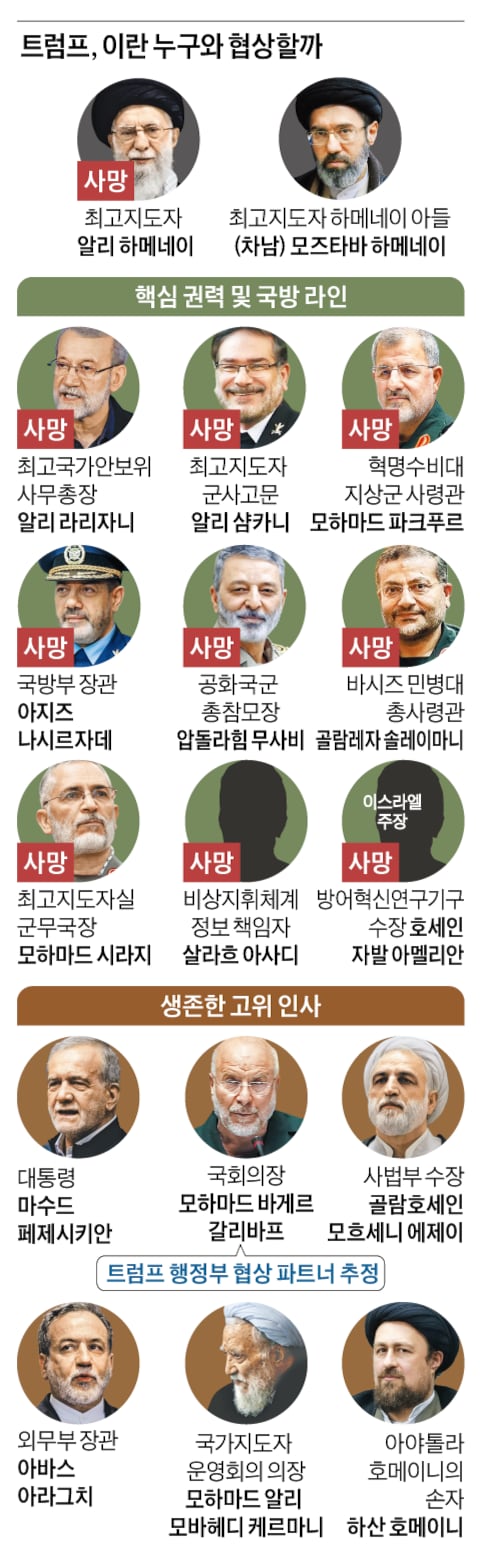
Iran’s Foreign Ministry also stated, “We received a message from the U.S. requesting negotiations to end the war through several friendly countries and responded appropriately based on Iran’s principled stance.” However, Iran refuted Trump’s claim, stating there have been no direct negotiations or dialogue with the U.S. Mohammad Bagher Ghalibaf, Iran’s parliamentary speaker identified as a negotiation channel, said, “Fake news is being used to manipulate financial and oil markets and escape the quagmire the U.S. and Israel have fallen into.” The New York Times (NYT) reported, “Although negotiations are still in the early stages, it appears Trump is exaggerating progress to distance himself from his own threat (the 48-hour deadline).” While there is substance to the negotiations, it is too early to expect results.
◇ Trump: “Joint Control of Hormuz Strait” vs. Iran: “Compensation First”… Long Road to Ceasefire Negotiations
According to foreign media and expert analyses, issues on the negotiation table include the opening of the Strait of Hormuz, ▲ Iran’s suspension or reduction of uranium enrichment ▲ transfer of nuclear materials abroad ▲ five-year restriction on ballistic missile development ▲ security guarantees for Iran after the ceasefire. Additional agenda items include external inspections of centrifuges, compensation for Iran’s war damages, the issue of U.S. military bases in the Middle East, and Iran’s prohibition of support for proxy forces.
Regarding the Strait of Hormuz issue, Trump stated, “The Ayatollah (Iran’s Supreme Leader) and I can jointly control it,” which is interpreted as a potential acceptance of Iran’s theocratic system, unlike his mention of “regime change in Iran” in his declaration of war on the 28th of last month. However, Iran insists, “We will have full control over the Strait of Hormuz.” Former Defense Secretary James Mattis warned that if Trump unilaterally declares ‘victory’ and withdraws U.S. troops, Iran could later claim ownership of the Strait of Hormuz and impose a ‘transit tax,’ stating, “It would be a tax level entirely unsustainable in the international market.”
Iran reportedly informed the U.S. that it is willing to participate in discussions to reduce uranium enrichment and adjust its stockpile of 60% highly enriched uranium. Iran’s stockpile of highly enriched uranium is known to exceed 400 kilograms, enough to produce 10 nuclear warheads. Israel conveyed to the U.S. its stance that “a rushed negotiation is absolutely unacceptable.” Trump also stated, “Iran will not possess nuclear weapons, and if negotiations are concluded, we will go directly to retrieve it (the highly enriched uranium).”
Trump conducted airstrikes on Iranian mainland for the first time in June last year, destroying three nuclear facilities, and attempted nuclear negotiations but made no progress. Many observers note that even with the airstrikes at the time and the current war situation, Iran has preserved uranium as a ‘negotiation card,’ making it difficult for them to hand over all of it to the U.S. Additionally, there is significant skepticism within Iran toward the U.S., which suddenly attacked the country during nuclear negotiations last month, with the sentiment, “We can no longer trust them.” The UK’s Guardian stated, “Iran’s agreement to abandon uranium enrichment rights would be a significant advancement.”
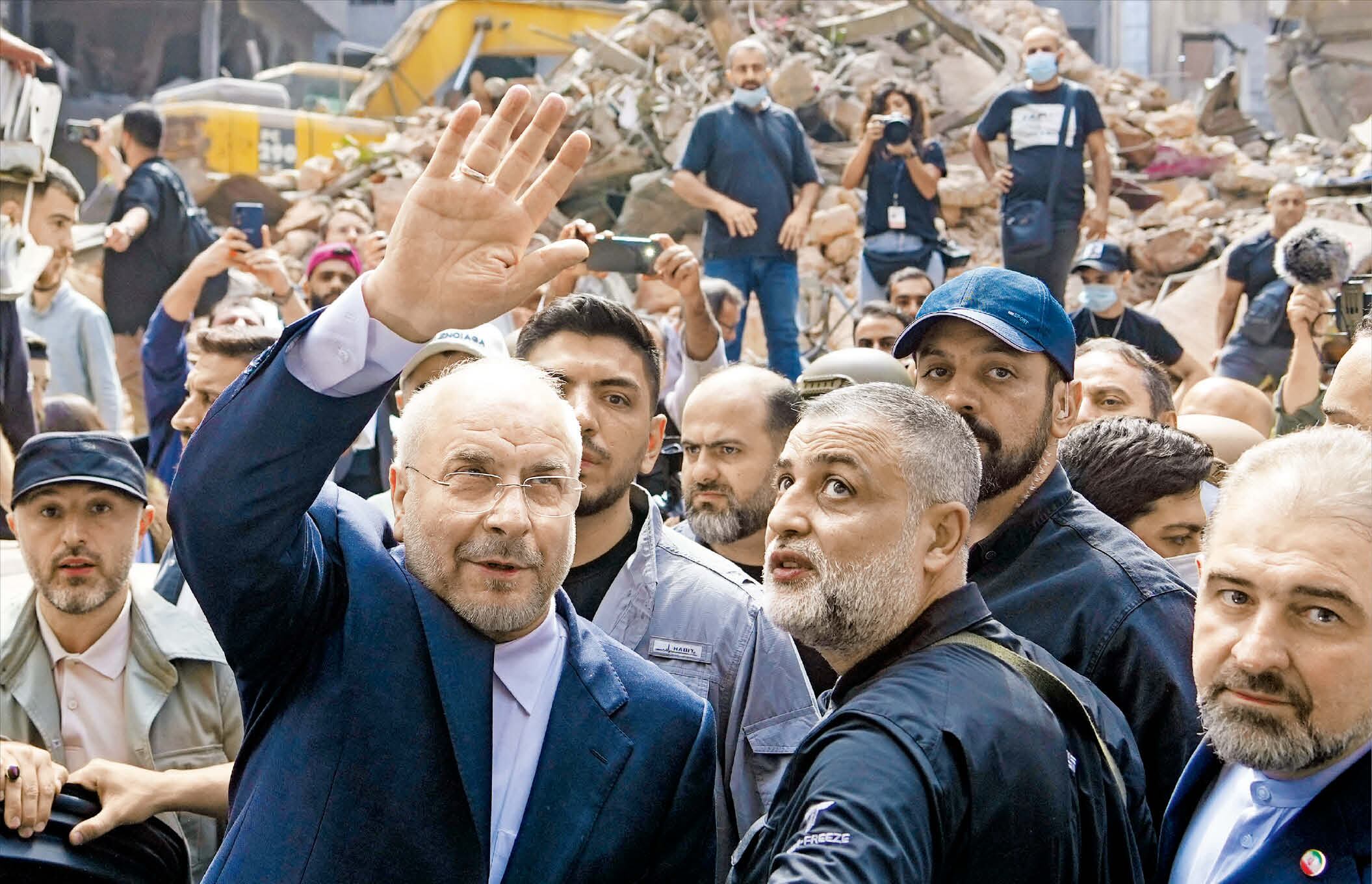
Iran is reportedly demanding not only that the U.S. acknowledge responsibility for the attacks and promise non-recurrence but also ‘compensation.’ This is because the U.S. and Israel violated international law and conducted an illegal invasion, necessitating corresponding consequences. While the U.S. dismisses the compensation demand as “not worth a moment’s consideration,” Axios reported that a workaround could involve the U.S. returning frozen assets related to nuclear sanctions, which Iran would accept as compensation.
Issues such as a five-year suspension of Iran’s ballistic missile program, limiting missile stockpiles to below 1,000 units, and allowing International Atomic Energy Agency (IAEA) inspections of centrifuges were points the U.S. and Iran attempted to agree on even before the war. Iran is also reportedly willing to accept some of these. However, Iran’s demand for the “complete closure of all U.S. military bases in the Middle East” is a condition the U.S. is unlikely to accept. There is a possibility of conditional negotiations regarding Iran’s cessation of support for proxy forces.
The Economist stated, “The U.S. has set April 9th as the target date for ending the war,” adding, “The next three weeks could see negotiations and attacks conducted simultaneously.” In reality, the U.S. and Israel continue airstrikes on targets excluding Iran’s energy facilities. Israeli Prime Minister Benjamin Netanyahu also said, “We will continue the attacks.” Iran has also not halted its attacks on Israel and Middle Eastern countries.
Pakistani Prime Minister Shehbaz Sharif, who has positioned himself as a mediator between the U.S. and Iran, stated after a phone call with Iranian President Masoud Pezeshkian, “We will play a constructive role for peace.” Although Pakistan is a U.S. ally, it has no U.S. military bases and has not been targeted by Iranian missile attacks. Additionally, as a neighboring country sharing a border with Iran and with a large Shia Muslim population, the two nations have maintained long-standing ties.
- 월 5900원 멤버십, 신문 독자에게는 2900원, 조선멤버십
- 55000원 상당의 신문-잡지 8종 마음껏 보기, 조선멤버십
- 현금처럼 쓸 7000포인트 받아 알뜰한 쇼핑, 조선멤버십
Thus the article US.-Iran ceasefire talks in Pakistan: Turning point
You are now reading the article US.-Iran ceasefire talks in Pakistan: Turning point with the link addresshttps://www.angkaraja.cfd/2026/03/us-iran-ceasefire-talks-in-pakistan.html
0 Response to "US.-Iran ceasefire talks in Pakistan: Turning point"
Post a Comment