Judul : First Victory, More to Fight For
link : First Victory, More to Fight For
First Victory, More to Fight For
Nepal's political landscape is undergoing a period of significant upheaval, fueled by recent Gen Z-led protests demanding systemic change and leadership renewal within the country's major political parties. While the impact of these protests varies across different parties, the call for established leaders to step aside and pave the way for new voices is gaining traction, albeit at varying paces.
Nepali Congress: A Shift in Leadership
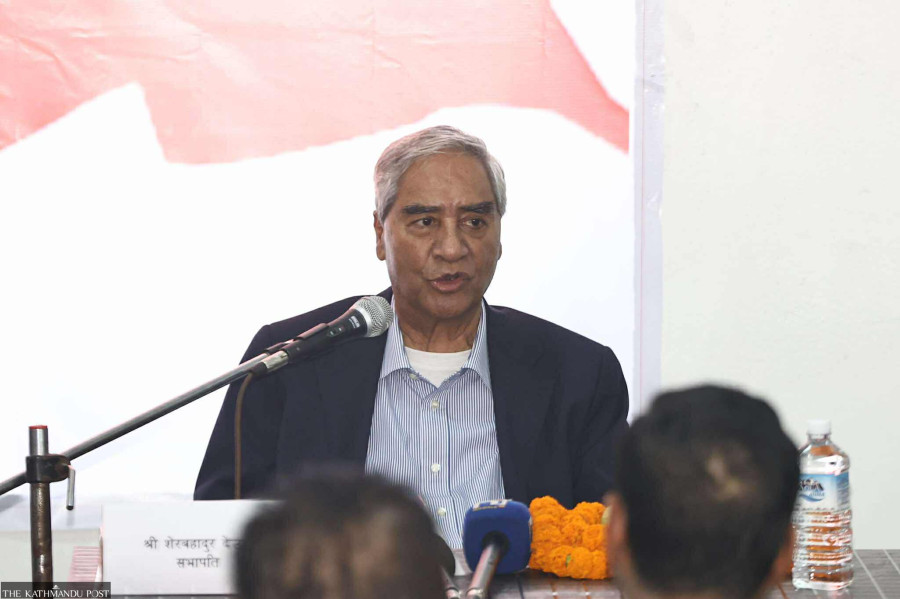 The Nepali Congress, one of the largest political parties in Nepal, is experiencing a notable shift in its leadership structure. Following mounting pressure from both internal dissent and the Gen Z movement, Sher Bahadur Deuba, the party's president, has decided to relinquish his executive role. This decision has led to the appointment of Purna Bahadur Khadka as the Acting Party President, signaling a potential turning point for the party.
- Deuba's decision comes as he nears the end of his second term in December, with party rules preventing him from seeking re-election.
- Despite initial reports suggesting Deuba and his loyalists were attempting to delay the party convention, internal opposition, fueled by the Gen Z protests, coalesced to demand an expedited transition.
- More than 50 percent of general convention representatives signed a petition calling for the convention to proceed without delay, highlighting the widespread desire for change within the party.
The Nepali Congress Central Working Committee meeting, now chaired by Khadka, reflects a recognition of the changed political landscape and a willingness to address the demands for reform. Deuba's departure from the executive role, even if belated, sets a precedent that may influence other party leaders to consider their positions.
CPN-UML: Resistance to Change
In stark contrast to the Nepali Congress, the CPN-UML, another major political force, appears resistant to the winds of change. KP Sharma Oli, the party chair and former prime minister, has shown no inclination to step down or acknowledge the impact of the Gen Z protests, despite the significant loss of life during his tenure.
- During a recent central committee meeting, Oli reportedly criticized party members who suggested his resignation and dismissed calls for reform.
- He challenged those seeking his removal from leadership, asserting that he had made no mistakes.
- Oli has also intensified his attacks on the Sushila Karki government and reiterated the UML's stance of prioritizing the reinstatement of the House of Representatives over participating in upcoming elections.
Oli's continued grip on power and his defiance of calls for change indicate a deep-seated resistance to the demands of the Gen Z movement within the CPN-UML. This stance risks further alienating the party from the younger generation and hindering its ability to adapt to the evolving political landscape.
Maoist Centre: A Façade of Change
The Maoist Centre, the third largest party in the dissolved lower house, presents a mixed picture. While party chief Pushpa Kamal Dahal initially attempted to portray himself as receptive to the demands of Gen Z by announcing his resignation as party chair, he continues to wield significant influence as the party coordinator.
- Despite calls from within the party for the appointment of an acting chief, Dahal, who has led the party for 35 years, has refused to relinquish real control.
- This reluctance to fully embrace leadership renewal suggests a superficial commitment to the changes demanded by the Gen Z movement.
Dahal's actions raise questions about the sincerity of his commitment to reform and highlight the challenges in achieving genuine change within established political structures.
Implications for the Future
Deuba's decision to step aside from his executive role in the Nepali Congress, while perhaps overdue, represents a significant step towards acknowledging the need for leadership renewal and systemic reform. This move puts pressure on other party leaders, particularly Oli in the CPN-UML and Dahal in the Maoist Centre, to consider their positions and respond to the demands of the Gen Z movement. Whether these leaders will follow suit remains to be seen, but the growing momentum for change suggests that the status quo is no longer sustainable. The future of Nepali politics hinges on the willingness of established leaders to embrace reform and create space for new voices and perspectives.
Thus the article First Victory, More to Fight For
You are now reading the article First Victory, More to Fight For with the link addresshttps://www.angkaraja.cfd/2025/10/first-victory-more-to-fight-for.html

0 Response to "First Victory, More to Fight For"
Post a Comment