Judul : Tuberculosis Progress Under Threat From Funding Shortfalls
link : Tuberculosis Progress Under Threat From Funding Shortfalls
Tuberculosis Progress Under Threat From Funding Shortfalls
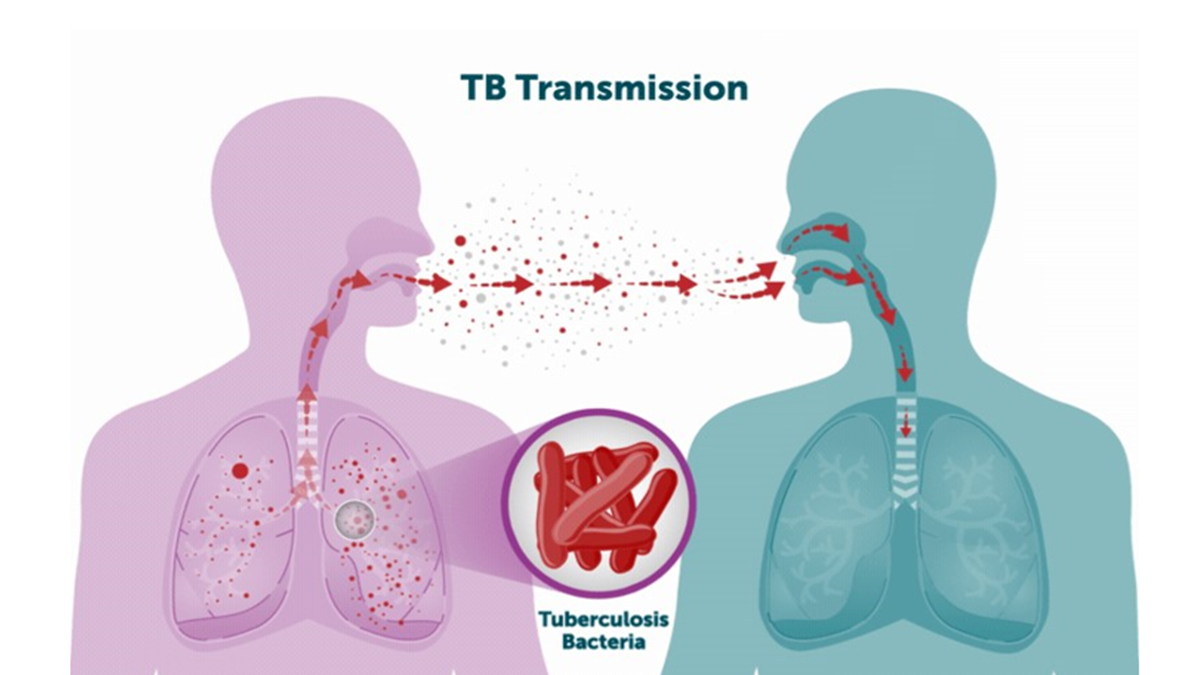
Tuberculosis (TB) continues to be one of the most lethal infectious diseases globally, causing more than 1.2 million deaths and infecting approximately 10.7 million individuals in the past year, as reported by the WHO.Global Tuberculosis Report 2025, launched today. Although there has been noticeable advancement in diagnosis, therapy, and research, ongoing issues with financing and fair access to medical care risk undoing significant achievements in the worldwide battle against TB.
Decreases in the worldwide impact of TB, along with advancements in testing, treatment, social support, and research, are positive developments following years of challenges, but progress alone does not equate to success," stated Dr. Tedros Adhanom Ghebreyesus, Director-General of the WHO. "The reality that TB still takes more than a million lives annually, even though it is both preventable and treatable, is truly unacceptable. The WHO is collaborating with nations to build upon the progress achieved and speed up the journey toward eliminating TB by 2030.
Advancements and achievements worldwide
From 2023 to 2024, the worldwide incidence of tuberculosis cases decreased by almost 2%, and fatalities due to TB dropped by 3%. These improvements indicate an ongoing restoration of critical healthcare services after the interruptions caused by the COVID-19 outbreak.
Certain areas and nations have maintained consistent progress, showing that robust political dedication and funding can combat this long-standing illness. From 2015 to 2024, the WHO African Region recorded a 28% decrease in the TB incidence rate (number of individuals who contract TB per 100,000 people annually) and a 46% decline in fatalities. The European Region experienced even more significant drops, with a 39% reduction in cases and a 49% decrease in deaths.
In the same timeframe, more than 100 nations recorded a minimum 20% drop in TB incidence rates, while 65 countries saw declines of 35% or greater in TB-related fatalities. These nations have reached the initial targets of theWHO End TB Strategy.
Nevertheless, achieving a global end to TB will necessitate faster advancements in nations bearing the heaviest disease load. In 2024, 87% of the worldwide cases of TB were found in 30 countries. Eight of these accounted for 67% of the global total: India (25%), Indonesia (10%), the Philippines (6.8%), China (6.5%), Pakistan (6.3%), Nigeria (4.8%), the Democratic Republic of the Congo (3.9%), and Bangladesh (3.6%).
Significant progress in the detection and management of tuberculosis
Timely intervention for tuberculosis has reportedly saved around 83 million lives since the year 2000. From 2023 to 2024, advancements persisted in the diagnosis, prevention, and treatment of TB, showcasing the effects of ongoing efforts and innovation across nations. Notable accomplishments include:
- In 2024, 8.3 million individuals received a new TB diagnosis and began treatment, accounting for roughly 78% of those who became ill with the condition that year;
- The proportion of rapid testing for TB diagnosis rose from 48% in 2023 to 54% in 2024;
- The therapy for drug-sensitive TB continued to be very effective, achieving an 88% success rate;
- The annual count of individuals contracting drug-resistant TB has been decreasing, with more than 164,000 people undergoing treatment in 2024. Recent statistics indicate an increase in the treatment success rate, reaching 71%, compared to 68% in the prior year;
- In 2024, 5.3 million individuals who were at significant risk for TB were given preventive care, an increase from 4.7 million in 2023.
Social safety nets and coordinated efforts across multiple sectors are essential to tackle the underlying factors of the epidemic.
For the first time, the WHO has provided an update on the progress made toward the social protection goal set during the second UN High-Level Meeting on TB in 2023, utilizing data gathered by the International Labour Organization (ILO). Within the 30 countries with a high TB burden, access to social protection is significantly uneven, varying from 3.1% in Uganda to 94% in Mongolia. Interestingly, 19 of these nations have coverage levels below 50%.
The report also emphasizes information regarding the key risk factors contributing to the epidemic, including undernutrition, HIV infection, diabetes, smoking, and alcohol consumption. Addressing these factors, along with structural influences like poverty, demands unified efforts across multiple sectors.
Shortfalls in financial support threaten advancement and scholarly work
Although there have been several advancements, the rate of global progress is still significantly below what is needed to achieve the End TB Strategy goals. A significant challenge is the lack of sufficient global funding for tuberculosis, which has remained stable since 2020. In 2024, only US$5.9 billion was allocated for prevention, detection, and treatment—slightly more than a quarter of the US$22 billion annual goal established for 2027.
Shifts in international donor funding from 2025 onwards present a significant challenge. Modeling research has already indicated that sustained reductions in international donor support could lead to as many as 2 million extra deaths and 10 million individuals contracting TB between 2025 and 2035.
Global funding for tuberculosis research remains insufficient, amounting to only US$1.2 billion in 2023, which is 24% of the desired goal. By August 2025, 63 diagnostic tests were in development and 29 drugs were in clinical trials—up from just 8 in 2015. Moreover, 18 vaccine candidates are being tested in clinical trials, with 6 in Phase 3. The World Health Organization continues to spearhead global initiatives to promote the TB vaccine agenda, backed by the TB Vaccine Accelerator Council established by the WHO Director-General.
At a critical point in the battle against TB," stated Dr. Tereza Kasaeva, head of the WHO's HIV, TB, Hepatitis, and STIs department. "Reduced funding and ongoing factors fueling the epidemic risk reversing progress made, yet with political will, continuous financial support, and worldwide cooperation, we can reverse the trend and eradicate this long-standing disease completely.
WHO advocates for continuous political dedication, higher national funding, and enhanced research to speed up advancements.
Copyright 2025 World Health Organization. All rights reserved. Distributed by AllAfrica Global Media (okay1)
Tagged: Africa, Health and Medicine, Tuberculosis, International Organizations and Africa, External Relations
Provided by SyndiGate Media Inc.Syndigate.info).Thus the article Tuberculosis Progress Under Threat From Funding Shortfalls
You are now reading the article Tuberculosis Progress Under Threat From Funding Shortfalls with the link addresshttps://www.angkaraja.cfd/2025/11/tuberculosis-progress-under-threat-from.html
0 Response to "Tuberculosis Progress Under Threat From Funding Shortfalls"
Post a Comment